Tri-Cities WA, United States
- 244,036 people
- 11 places to visit
- 46.235, -119.2233
Places to Visit (11)
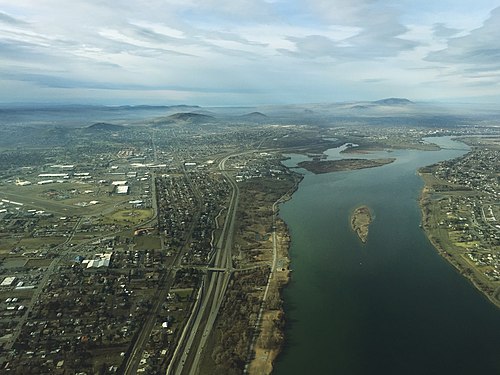
The Tri-Cities is a metropolitan area located in south-central Washington in the United States, comprising three cities: Kennewick, Pasco, and Richland. This region, which lies at the confluence of the Columbia, Yakima, and Snake Rivers, has become a vibrant hub for economic activity and quality of life. It was established during World War II due to the development of the Hanford Site, a major part of the Manhattan Project. Since then, the Tri-Cities has transformed into a diverse community, known for its agriculture, technology, and energy sectors. The area boasts a growing population, with a demographic that reflects a blend of cultures, including significant Hispanic and Native American communities.
The Tri-Cities experiences a semi-arid climate, characterized by hot, dry summers and mild winters, making it an attractive location for outdoor recreational activities. The natural landscape features numerous parks, hiking trails, and riverfront access that enhance the quality of life for its residents. The region is particularly noted for its wine production, as it is part of the Columbia Valley, which is recognized as one of Washington's premier wine regions. Numerous vineyards and wineries contribute to the local economy and draw tourism. Educational institutions, including Columbia Basin College and Washington State University's Tri-Cities campus, further support the community's emphasis on higher education and research innovation. Overall, the Tri-Cities offers a blend of historical significance, economic opportunity, and community-focused living, making it a unique and attractive destination in Washington State.
Facts about Tri-Cities
- The Tri-Cities region, comprising Kennewick, Pasco, and Richland, is known for its significant role in the Manhattan Project during World War II, particularly with the Hanford Site, which was key in the development of plutonium for atomic bombs.
- Tri-Cities is home to the world's first nuclear reactor, the B Reactor, located at the Hanford Site, which has been designated as a National Historic Landmark.
- The area is situated at the confluence of the Columbia, Yakima, and Snake Rivers, making it a central hub for water recreation, fishing, and agricultural development in Eastern Washington.
- Tri-Cities hosts the annual Hydroplane Races at the Columbia River, which attract thousands of visitors and is known for its exciting watercraft competitions.
- Richland, one of the Tri-Cities, was originally established as a company town for workers at the Hanford Site and has a rich history tied to the nuclear industry.
- The region has over 200 wineries and is part of the Columbia Valley AVA (American Viticultural Area), making it one of the fastest-growing wine regions in the United States.
- Tri-Cities experiences a semi-arid climate, receiving less than 7 inches of rainfall per year, which contributes to its wine production and agricultural success.
- The area is also known for its outdoor activities, including the Sacajawea Heritage Trail, which offers over 23 miles of scenic pathways along the rivers for biking and walking.
- Tri-Cities hosts the annual Bluegrass Festival, which showcases regional and national bluegrass talent, promoting a vibrant musical culture.
- The region has been recognized for its economic growth, with a strong emphasis on technology, healthcare, and manufacturing, making it one of the most promising areas for business development in Washington State.