Tríkala, Greece
- 61,653 people
- 9 places to visit
- 39.5557, 21.7679
Places to Visit (9)
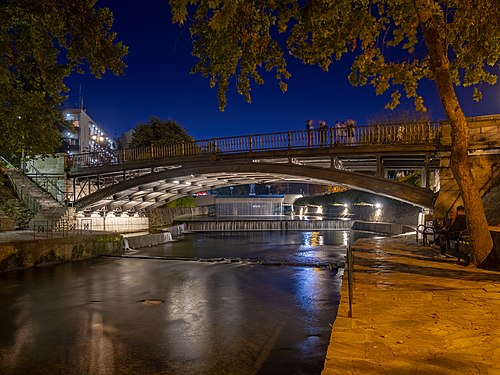
Tríkala is a picturesque city located in central Greece, within the Thessaly region. Situated at the foot of the Pindus mountains, it serves as the capital of the Trikala regional unit. The city boasts a rich history that dates back to antiquity, with evidence of human settlement in the area since the Neolithic period. Tríkala was originally known as Trikka, a name derived from the hero Asclepius's daughter, and it has been associated with various historical figures, including the ancient physician Hippocrates, who is said to have visited the city. Today, the area is characterized by its blend of old and new, featuring ancient ruins, Byzantine churches, and modern infrastructure.
The city's archaeological sites reflect its storied past, with remnants of Roman theaters and Byzantine walls, while the Asclepius Sanctuary highlights the importance of healing and medicine in ancient Greek culture. Tríkala is also known for its vibrant local life and cultural festivals, such as the annual Trikala Carnival, which celebrates the rich traditions of the region. Additionally, Tríkala is renowned for its commitment to sustainable urban development, earning recognition as a smart city. The local government has implemented various initiatives to improve public transport and digital services, enhancing the quality of life for residents. With its combination of historical heritage, cultural vitality, and modern amenities, Tríkala stands as a unique destination for both visitors and locals.
The surrounding natural landscape adds to the city's charm, including the nearby Meteora rock formations and the Pindus National Park, popular for hiking and outdoor activities. Tríkala's climate is characterized by hot, dry summers and mild, wet winters, making it an appealing location year-round. The city also serves as an economic hub for the region, with agriculture, commerce, and tourism playing significant roles in its development. Overall, Tríkala offers a captivating experience that encompasses the essence of Greek heritage while embracing contemporary lifestyle and innovation.
Facts about Tríkala
- Tríkala is known for the Asclepius sanctuary, a major healing center in ancient Greece, highlighting its historical significance in medicine.
- The city is home to the Trikala Fortress, built by the Byzantines, which showcases the architecture and strategic importance of the region during different historical periods.
- Tríkala is often considered the birthplace of the famous Greek philosopher Epictetus, who was a prominent Stoic thinker.
- The city is notable for its innovative use of technology in governance, being one of the first Greek cities to implement a smart city framework.
- Tríkala hosts the annual 'Trikala Carnival,' which is a vibrant and traditional celebration that attracts many visitors each year.
- The town is famous for the Koursoum Mosque, a symbol of Ottoman heritage, which reflects the diverse historical influences on the region.
- Tríkala is situated near the Meteora rock formations, a UNESCO World Heritage site, known for its stunning monasteries and geological significance.
- The municipality of Tríkala has a rich agricultural background, particularly known for its cultivation of herbs, vegetables, and other local products.
- Tríkala has the distinction of being one of the largest municipalities in Greece by area, which contributes to its diverse landscapes and natural beauty.
- Tríkala is the first Greek city to fully implement free public Wi-Fi throughout its urban area, enhancing connectivity and access for residents and visitors.