Trípoli, Greece
- 26,561 people
- 9 places to visit
- 37.5101, 22.3726
Places to Visit (9)
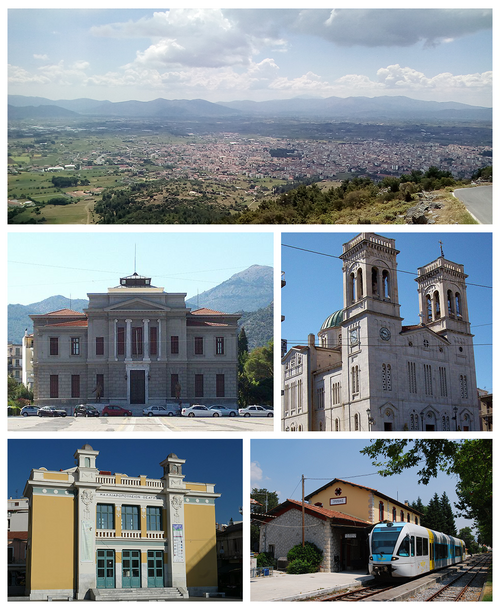
Trípoli is a city situated in the central part of the Peloponnese peninsula in Greece. It serves as the capital of the Arcadia regional unit and is known for its strategic location, sitting at the crossroads of several major routes that connect different parts of the Peloponnese and beyond. The city has a rich history that dates back to antiquity, with evidence of its ancient roots visible in archaeological sites and historical artifacts. Trípoli's name is derived from the Greek word for "three cities," which refers to the merging of three ancient towns: Thocnia, Mantinea, and Tegea. Today, it acts as a commercial and administrative center, with a population of approximately 25,000 residents.
The historical significance of Trípoli is particularly prominent during the Greek War of Independence in the 19th century, when it became a crucial stronghold for the revolutionaries fighting against Ottoman rule. The city was liberated in 1821, and it played an essential role in the establishment of the modern Greek state. Trípoli features a blend of neoclassical and traditional architecture, along with notable landmarks such as the Church of Agios Basilios and the central square, which offers a glimpse into the city’s vibrant community life. Visitors can explore local markets, enjoy traditional Greek cuisine, and immerse themselves in the town's cultural offerings. The surrounding region is characterized by lush landscapes and natural beauty, attracting those keen on outdoor activities such as hiking and exploring nearby historical sites, including ancient ruins and castles along the Peloponnese.
Facts about Trípoli
- Trípoli is the capital of the Arcadia regional unit in the Peloponnese, distinguished for its central location within the Peloponnese peninsula.
- The city played a pivotal role during the Greek War of Independence, particularly as a base for revolutionary movements against Ottoman rule.
- Trípoli features a unique blend of neoclassical, Ottoman, and modern architectural styles, making its urban landscape distinct within Greece.
- The Ancient Theatre of Mantinea, located near Trípoli, is one of the major archaeological sites in the region and dates back to the 4th century BC.
- Trípoli is known for its annual celebration of the Independence Day on March 25th, with large parades and events commemorating its history.
- The city is home to several important churches, including the Church of Agios Vasilios, known for its impressive iconography and architecture.
- Trípoli hosts the International Festival of Trípoli, an event that celebrates local culture, music, and arts, further distinguishing it as a cultural hub.
- The city's marketplace, known as the 'Agora,' is famous for local products, especially the local cheeses and traditional pastries of the region.
- Trípoli is located near several stunning natural attractions, including stunning mountain ranges and fertile plains, making it a key point for ecotourism.
- The local cuisine features a unique blend of flavors derived from its diverse cultural history, including both Peloponnesian and broader Greek culinary traditions.