Tripoli, Lebanon
- 229,398 people
- 8 places to visit
- 34.4346, 35.8362
Places to Visit (8)
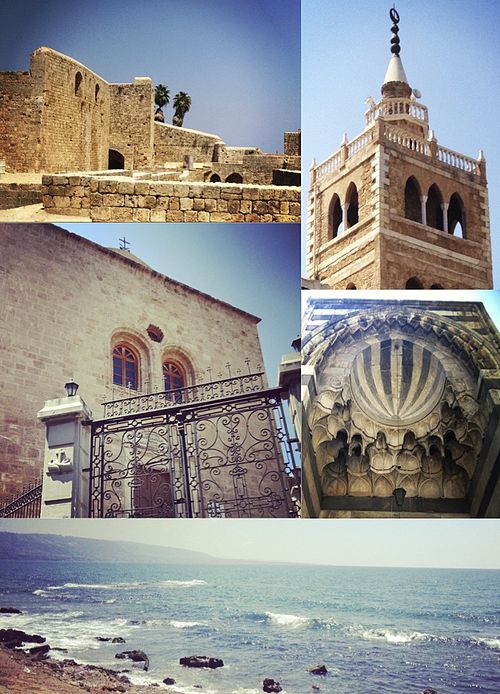
Tripoli, the second-largest city in Lebanon, is situated in the northern part of the country along the Mediterranean coast. Historically significant, it is known for its rich cultural heritage, diverse architecture, and bustling port, which has been a vital center for trade since ancient times. The city’s origins date back to around 500 BC, when it was established as a Phoenician settlement named Tripolis, meaning "three cities," referring to its three founding cities: Sidon, Tyre, and Byblos. Throughout its history, Tripoli has seen various civilizations, including the Greeks, Romans, and Ottomans, each leaving a lasting imprint on the city’s character, which is reflected in its historic sites, such as the Crusader Castle of St. Gilles and the impressive architectural remnants from the Mamluk period.
In modern times, Tripoli has retained its position as an important economic hub in Lebanon. Its port facilitates trade and seafood exports, while its economy also relies heavily on agriculture and the production of traditional crafts, such as soap and textiles. The city is renowned for its culinary delights, particularly its sweet pastries and fresh seafood, which attract both locals and tourists. Despite facing challenges due to political instability and conflict, particularly during the Lebanese Civil War and subsequent skirmishes, Tripoli has remained resilient. The vibrant markets of the old city, especially the Souk al-Haraj and Souk el-Nour, continue to be vibrant community spaces where the local populace engages in commerce, social interactions, and cultural exchanges. The city symbolizes a blend of historical complexity and contemporary dynamics, showcasing Lebanon’s ongoing journey through resilience and tradition.
Facts about Tripoli
- Tripoli is the second-largest city in Lebanon, known for its rich history and diverse cultural heritage.
- The city boasts a well-preserved medieval old town, featuring narrow alleys, historic mosques, and souks that reflect its Ottoman and Mamluk influences.
- Tripoli is famous for its Citadel of Raymond de Saint-Gilles, a fortress built by the Crusaders in the 12th century, which offers stunning views of the city and the Mediterranean Sea.
- The city is home to the largest and oldest soap-making industry in the world, particularly known for its traditional olive oil soap, which has been produced here for centuries.
- Tripoli hosts the historic Al-Miniyeh Bridge, which dates back to the Roman era and is one of the surviving landmarks from that period.
- Unlike other Lebanese cities, Tripoli has a predominantly Sunni Muslim population, with significant historical ties to both the Mamluk and Ottoman periods.
- The city is renowned for its traditional sweets, particularly the famous 'Tripoli kunafa,' a delicious pastry that attracts food lovers from all over.
- Tripoli has a vibrant fishing industry, benefiting from its coastal location, and serves as a key harbor for fishing activities in Lebanon.
- The annual Tripoli International Fair, a trade exhibition that promotes local and international businesses, highlights the city's role as a commercial hub in the region.
- In recent years, Tripoli has been striving to revitalize its economy and cultural scene, with various initiatives aimed at boosting tourism and local development.