Troy NY, United States
- 49,906 people
- 18 places to visit
- 42.7284, -73.6918
Places to Visit (18)
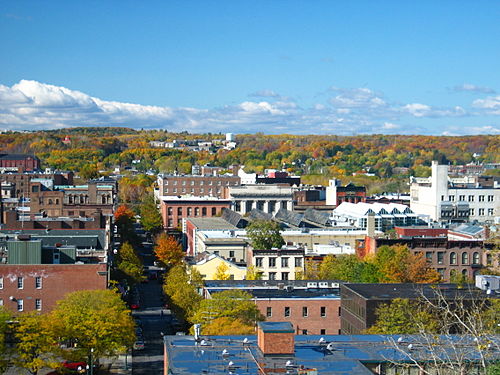
Troy, New York, is a city located in Rensselaer County, at the confluence of the Hudson and Mohawk Rivers. Founded in the late 18th century and officially incorporated in 1816, it became a significant industrial hub during the 19th century, thanks to its strategic position as a transportation center. The construction of the Erie Canal in 1825 played a critical role in its growth, facilitating trade and enabling access to larger markets. By the 1800s, Troy was renowned for its diverse manufacturing sector, which produced a variety of goods including iron, textiles, and paper. The city was also known for its role in the collar industry, being the birthplace of the detachable collar, which gained immense popularity in the late 19th century.
Troy's rich architectural heritage reflects its prosperous past, with numerous buildings designed in styles ranging from Federal to Italianate and Romanesque. Notable structures include the Troy Waterfront Farmers’ Market, the Troy Public Library, and the historic Troy City Hall. The city has also embraced its rich cultural history; it is home to a vibrant arts scene, local theaters, and annual festivals, such as the Troy Riverfront Concert Series and the Troy Victorian Stroll. In recent decades, Troy has undergone significant redevelopment efforts, attracting new businesses, restaurants, and residents, particularly in the areas surrounding the Hudson River. The Troy Waterfront, along with its picturesque parks like Prospect Park, offers recreational opportunities and stunning views of the river, making it a popular destination for both locals and visitors.
As of the 2020 census, Troy has a population of approximately 50,000 residents. It is part of the Albany-Schenectady-Troy Metropolitan Statistical Area and is located about 10 miles from Albany, the state capital. The city's higher education institutions, such as Rensselaer Polytechnic Institute, are integral to its economy and provide a steady influx of students and professionals, enriching its cultural and social fabric. Additionally, Troy’s close-knit community, diverse population, and commitment to revitalization make it a unique gem in the Capital Region of New York, balancing its historical significance with modern development.
Facts about Troy
- Troy, NY is known as the 'Collar City' due to its historical significance in the collar manufacturing industry during the 19th century.
- The Rensselaer Polytechnic Institute, founded in 1824, is located in Troy and is one of the oldest technological universities in the United States.
- Troy has a rich history of architecture, featuring well-preserved 19th-century buildings, including Victorian and Romanesque styles, contributing to its National Historic District status.
- The city is famous for its farmers' market, which has been operating for over 40 years and is one of the largest and longest-running in the region.
- Troy's waterfront on the Hudson River was historically significant during the Industrial Revolution and played a crucial role in shipping and transportation.
- The Troy Music Hall, built in 1875, is renowned for its excellent acoustics and has hosted a variety of famous performers and acts over the years.
- Every year, Troy hosts the 'Troy Victorian Stroll,' a community event that celebrates the city's rich Victorian heritage with parades, entertainment, and local vendors.
- The city is home to the historic 'Troy Waterfront and Canal Square District,' which highlights the city’s rich maritime history and revitalization efforts.
- Troy is noted for its public art installations, including murals and sculptures that reflect the community's culture and history.
- The city features a unique and extensive network of 19th-century churches, many of which are architecturally significant and still in use today.