Tsu, Japan
- 163,461 people
- 9 places to visit
- 34.7186, 136.5052
Places to Visit (9)
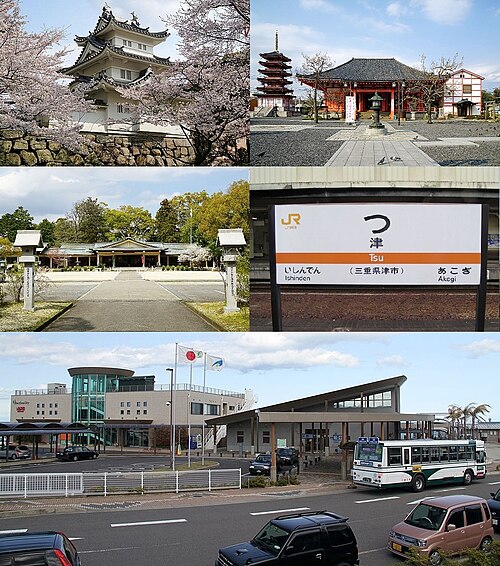
Tsu is the capital city of Mie Prefecture, located in the Kansai region of Japan. Situated on the eastern coast of the Ise Bay, Tsu is surrounded by beautiful natural landscapes, including mountains and the sea, which contribute to its appeal as both a residential area and a tourist destination. As of 2023, the city has a population of approximately 280,000 residents. Tsu is known for its historical significance, having served as a political and cultural center during the Edo period, with various remnants of that era, including traditional architecture and shrines, still visible today.
One of Tsu's most notable attractions is Tsu Castle, originally built in the 16th century, which has undergone restoration efforts to preserve its historical essence. The city is also renowned for the Tsu Matsuri, a vibrant festival held annually in October that features traditional floats and cultural performances, drawing visitors from across the region. The proximity of Tsu to the Ise Grand Shrine, a famous Shinto shrine, enhances its cultural importance, as many pilgrims and tourists visit the area to experience the rich traditions of Shinto spirituality. Additionally, Tsu is a hub for commerce and education, boasting a range of institutions and facilities that support its residents and contribute to its economy. With a blend of historical significance, cultural richness, and natural beauty, Tsu represents an intriguing aspect of Japan's diverse urban landscape.
Facts about Tsu
- Tsu is the capital city of Mie Prefecture, making it the administrative and political center of the region.
- The city is known for its historical significance, particularly as a coastal town during the Edo period, which served as a trade hub.
- Tsu is home to the famous Tsu Castle, which dates back to the early 17th century and is a designated Important Cultural Property of Japan.
- The city hosts the annual Tsu Matsuri, featuring a vibrant parade and traditional Japanese entertainment, showcasing the cultural heritage unique to the region.
- Tsu has a rich temple culture, with the well-known Kannon Temple (Kannon-ji) being a pilgrimage site, attracting visitors seeking spiritual guidance.
- Tsu's location between the Kiso River and Ise Bay allows it to have a picturesque landscape that is distinct from other urban areas in Japan.
- The local seafood, particularly Tsu's famous 'Tsu-ryō', is celebrated for its quality and is a major draw for culinary enthusiasts.
- The city has made strides in eco-friendly initiatives, becoming a leader in sustainability practices among Japanese cities.
- Tsu is recognized for the production of Mie Prefecture's renowned 'Ise-ebi' (Ise lobster), which enhances its culinary profile.
- The city's strategic location offers easy access to the Ise-Shima National Park and the historic Ise Grand Shrine, making it a gateway for tourists.