Tsubata, Japan
- 37,694 people
- 7 places to visit
- 36.669, 136.7287
Places to Visit (7)
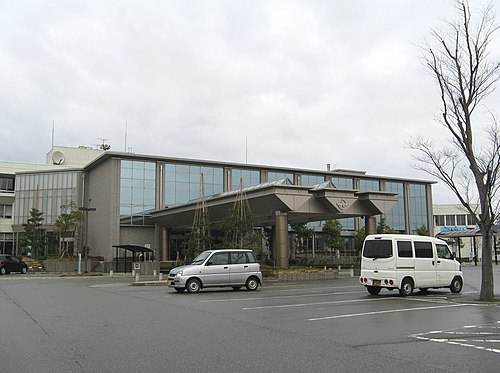
Tsubata is a town located in the Ishikawa Prefecture of Japan, nestled in the Hokuriku region along the coast of the Sea of Japan. It officially became a town on October 1, 1954, when the area was established through the merger of several smaller villages. With a population of approximately 14,000 residents, Tsubata is characterized by its picturesque landscapes, which include rolling hills and the lush fertile plains of the Tsukumo River. The town’s geographical position allows it to experience a temperate climate, featuring warm summers and cold winters, which contributes to the rich agricultural activities in the area.
The town is renowned for its pottery and ceramic production, highlighting traditional Japanese craftsmanship. Tsubata has a long-standing history of producing high-quality ceramics, particularly stoneware, which is celebrated both locally and nationally. The town hosts various cultural events that showcase its artisanal heritage, serving as an attraction for visitors interested in experiencing authentic Japanese culture. Moreover, Tsubata is well-connected to larger cities such as Kanazawa, allowing residents and tourists easy access to urban amenities while benefiting from the quieter, rural lifestyle. Local festivals, seasonal changes, and traditional crafts make Tsubata a unique blend of history, culture, and nature in contemporary Japan.
Facts about Tsubata
- Tsubata, located in Ishikawa Prefecture, is known for its rich historical background linked to traditional craftwork, particularly in producing Kaga-Yaki pottery.
- The city has a unique event called the Tsubata Fireworks Festival, which is renowned for its beautiful pyrotechnics and draws visitors from all over the region.
- Tsubata is home to the Tsubata Museum of History and Folklore, which showcases the city's heritage, including exhibits on local crafts and historical artifacts.
- The city has a strong connection to the famous Noto Railways, providing scenic train rides through the picturesque landscapes of the Noto Peninsula.
- Tsubata features the Kaga-Nihon Mura, a cultural village that highlights traditional Japanese arts and crafts, allowing visitors to engage in hands-on experiences.
- The area around Tsubata is known for its stunning natural beauty, particularly the nearby Hakusan National Park, which offers hiking and outdoor activities.
- Tsubata hosts the Tsubata Snow Festival every winter, featuring snow sculptures and various winter activities that celebrate the seasonal charm of the region.
- The city has a thriving local food scene, famous for its fresh seafood and traditional Kaga cuisine, which embodies the region's agricultural and fishing heritage.
- Tsubata's metropolitan area is integrated with Kanazawa, offering a blend of urban amenities and small-town charm, distinguishing it from larger cities in Japan.
- The city's annual Tsubata Cultural Festival showcases local talents, traditional performances, and community spirit, fostering a sense of unity among residents.