Tsuruga, Japan
- 68,482 people
- 16 places to visit
- 35.6459, 136.0557
Places to Visit (16)
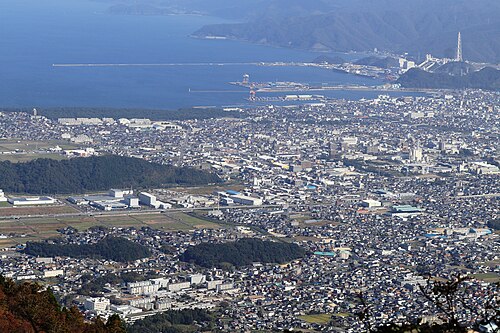
Tsuruga is a city located in Fukui Prefecture on the western coast of Japan's main island, Honshu. Established as a port town, Tsuruga has a rich maritime history dating back to the Edo period, when it served as a vital trading hub between Japan and international markets, particularly for goods such as rice and textiles. The city is strategically positioned along the Sea of Japan and was historically significant in the transportation of goods and people, contributing to its cultural and economic development. Today, Tsuruga is known for its picturesque waterfront, which features charming boardwalks and views of the Sea of Japan, making it a popular spot for both locals and tourists.
Tsuruga's economy is diversified, with traditional industries such as fishing and agriculture complementing newer sectors like tourism and energy. The city is home to the Tsuruga Nuclear Power Plant, a major facility that contributes significantly to Japan's energy supply. Additionally, Tsuruga has a strong connection to Japan's historical events, particularly the arrival of Commodore Matthew Perry in 1853, which marked a turning point for Japan's engagement with the Western world. Today, Tsuruga seeks to balance its industrial activities with environmental sustainability and tourism development, attracting visitors with its historical sites, scenic parks, and local festivals. Notably, the city is also recognized for its efforts to preserve its cultural heritage, which includes traditional crafts, historical architecture, and annual events that celebrate its rich history. With access to beautiful natural landscapes and a vibrant community, Tsuruga embodies a unique blend of tradition and modernity in contemporary Japan.
Facts about Tsuruga
- Tsuruga is known for its historical significance as a port town during the Edo period, serving as a gateway for trade with foreign countries.
- The city is home to the Tsuruga Museum, which showcases the city's rich history, including its connections to the early Western trade and cultural exchanges.
- Tsuruga is famous for its 'Tsuruga Castle', which was originally built in 1582 and is one of the few castles in Japan to feature three stories.
- It is the site of many significant events during World War II, including being a vital location for the Japanese Navy and American submarines.
- Tsuruga hosts the annual Tsuruga Aquarium Festival, celebrating marine life and attracting visitors with various seafood delicacies and ocean-themed activities.
- The city is one of Japan's few locations where the Italian style influenced traditional culinary practices due to historical ties with Italy during the Meiji era.
- Tsuruga became a key location for nuclear energy in Japan, being home to several nuclear power plants, which distinguishes it in the national energy sector.
- The city has beautiful scenic views with the backdrop of the Japan Sea, making it renowned for its stunning sunsets and coastal attractions.
- Tsuruga is also known for its thriving fishing industry, contributing to its reputation for producing high-quality seafood, especially squid.
- The annual 'Tsuruga Matsuri' celebrates local culture with traditional dances, music, and a parade, drawing participants and visitors from across the region.