Tsushima, Japan
- 67,658 people
- 35.1667, 136.7167
No places available for this city.
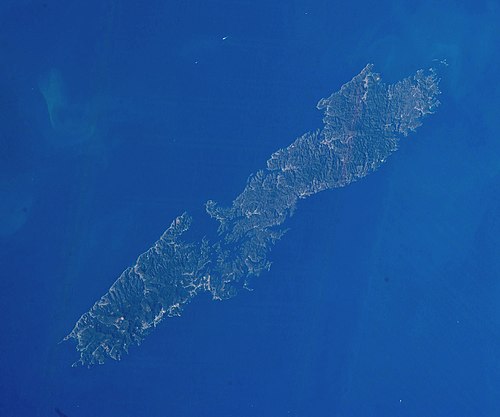
Tsushima is a city located on Tsushima Island, situated in the Nagasaki Prefecture of Japan. The island is in the Tsushima Strait, approximately midway between the Japanese mainland and the Korean Peninsula. Spanning about 707 square kilometers, Tsushima's geography is characterized by mountainous terrain, lush forests, and a coastline dotted with beautiful beaches, making it a strikingly scenic locale. Tsushima emerged as a city in 2004, following the merger of the towns of Tsushima and Yagumo, and has a population of around 30,000 residents. Historically, the island has served as a vital point of contact between Japan and Korea, playing a significant role in trade and cultural exchange over the centuries.
The economy of Tsushima has traditionally relied on agriculture, fishing, and tourism, with various local specialties, including seafood and traditional crafts. The island also hosts several historical sites that attract visitors, including the ruins of ancient castles, temples, and shrines, reflecting its rich cultural heritage. The natural beauty of Tsushima makes it a popular destination for outdoor activities such as hiking, bird-watching, and diving. The island is renowned for its unique wildlife, including migratory birds and the rare Tsushima leopard cat, a species native to the region. Additionally, Tsushima has strong ties to Korean culture, with historical connections and a growing number of Korean tourists visiting each year, especially in light of its proximity to South Korea.
In terms of administration, Tsushima is divided into various districts and is governed by a mayor and city council. The island's transportation infrastructure includes ferry services to the Korean mainland and nearby islands, as well as domestic flights to Nagasaki and other Japanese cities, facilitating travel and trade. Despite facing challenges such as population decline and aging demographics, Tsushima continues to promote its unique cultural identity and natural resources to enhance its economic development and tourism potential. As a vibrant community with a blend of tradition, history, and natural beauty, Tsushima offers a glimpse into Japan's multifaceted relationship with its neighbors and its environment.
Facts about Tsushima
- Tsushima is an island city located between Japan and South Korea, making it a significant historical and cultural link between the two countries.
- The city is known for its beautiful natural landscapes, including lush forests, mountains, and coastline, which are protected under Tsushima National Park.
- Tsushima played a crucial role during the Mongol invasions of Japan in the late 13th century, serving as a key defensive point.
- The 'Tsushima' name comes from the Japanese term for the island, and it is often referred to as the 'Gateway to Korea' due to its proximity.
- Tsushima is home to the rare Tsushima leopard cat, a vulnerable subspecies found only on the island, highlighting its unique biodiversity.
- The city hosts the annual Tsushima Fireworks Festival, which attracts visitors with its stunning displays and celebrates local culture.
- Tsushima is famous for its traditional crafts, including the production of Tsushima textiles, which have been made for centuries using local techniques.
- The ruins of the historic Tsushima Castle, which dates back to the 16th century, offer visitors a glimpse into the city’s feudal past.
- Tsushima was officially designated as a city in 2004 after merging with several surrounding towns, marking the beginning of its modern administrative framework.
- The local cuisine of Tsushima is influenced by both Japanese and Korean flavors, featuring fresh seafood and unique dishes that highlight the island’s gastronomic heritage.