Tsuyama, Japan
- 102,294 people
- 8 places to visit
- 35.0692, 134.0046
Places to Visit (8)
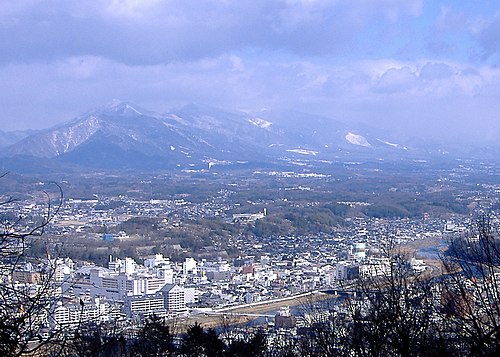
Tsuyama is a city located in Okayama Prefecture, Japan, situated in the western part of the country. With a population of approximately 27,000 residents, Tsuyama is known for its historical significance and natural beauty. The city has a rich cultural heritage, characterized by traditional architecture and historical sites, most notably Tsuyama Castle, which dates back to the early 17th century. The castle is surrounded by beautiful cherry blossom trees, making it a popular destination during the sakura season in spring. Visitors can also explore the remnants of the castle's walls and moats, alongside the reconstructed main keep that offers panoramic views of the surrounding landscape.
The economy of Tsuyama has traditionally been based on agriculture, with rice farming and the cultivation of fruits such as persimmon being prominent. In recent years, the city has diversified its economic activities, incorporating tourism and small-scale manufacturing. Tsuyama is also well-known for its local crafts, particularly pottery and textiles. Additionally, the surrounding area features beautiful mountains and rivers, making it an attractive location for outdoor activities such as hiking and fishing. Festivals and events throughout the year reflect the city's local culture, with the most notable being the Tsuyama Cherry Blossom Festival that attracts visitors from across the region. Overall, Tsuyama presents a blend of historical charm and natural scenery, making it a unique destination in Japan.
Facts about Tsuyama
- Tsuyama was historically significant as a castle town, founded in the 16th century, and is known for its well-preserved Tsuyama Castle ruins.
- The city is famous for the Tsuyama Massacre in 1938, a tragic incident in Japanese history that has left a lasting impact on the local culture and collective memory.
- Tsuyama is recognized for its unique cherry blossom festival, which attracts thousands of visitors each year to see the spectacular sakura blooms in the Tsuyama Castle Park.
- The city is renowned for its local delicacy called 'Tsuyama beef', which is highly regarded for its quality and flavor, contributing to the agricultural identity of the region.
- Tsuyama is home to the 'Tsuyama's Yamazaki Town', a historical area showcasing Edo-period architecture and traditional streets, providing a glimpse into Japan's rich history.
- The Tsuyama region holds the oldest known pottery in Japan, with Neolithic artifacts dating back over 10,000 years discovered in the area.
- The city celebrates the 'Tsuyama Yaki', a traditional pottery-making technique that has been passed down through generations and is distinct to this region.
- Tsuyama hosts various annual festivals, including the Tsuyama Tenjin Matsuri, a vibrant celebration featuring traditional performances, floats, and local cuisine.
- The city's location in the western part of Okayama Prefecture gives it unique geological features, including limestone caves like the famous 'Shuukuto Cave'.
- Tsuyama is also known for its active cycling routes and outdoor recreational opportunities, including the scenic roads that connect the city with surrounding mountains and valleys.