Tucson AZ, United States
- 531,641 people
- 10 places to visit
- 32.254, -110.9742
Places to Visit (10)
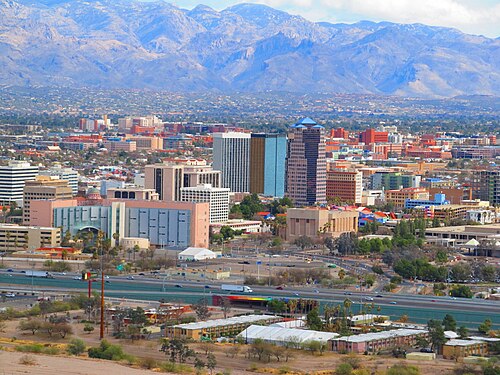
Tucson, Arizona, is the second-largest city in the state and serves as the seat of Pima County. Located in the southern part of Arizona, it is nestled in the Sonoran Desert and surrounded by five mountain ranges, including the Santa Catalinas, Rincons, and Sierritas. This unique geographical setting provides residents and visitors with stunning landscapes as well as an array of outdoor recreational opportunities. Tucson's climate is characterized by hot summers and mild winters, with the monsoon season bringing substantial rainfall from June to September. The city's population is approximately 550,000, and it has a rich cultural heritage influenced by Native American, Spanish, Mexican, and American traditions.
Tucson is home to various educational institutions, most notably the University of Arizona, which contributes significantly to the local economy and culture. The university's presence fosters a vibrant arts scene, an array of museums, and a strong emphasis on research and innovation. Tucson has also garnered recognition for its culinary scene, particularly its Mexican-inspired cuisine, and is the first UNESCO City of Gastronomy in the United States. The city hosts several annual festivals and events, including the Tucson Gem and Mineral Show, which attracts visitors from around the world. Furthermore, Tucson plays a central role in the aerospace and defense industries and is home to several major employers, including Raytheon Missile Systems and Davis-Monthan Air Force Base. This combination of natural beauty, educational resources, and economic opportunity makes Tucson a unique and dynamic place to live and visit.
Facts about Tucson
- Tucson is home to the oldest continually inhabited settlement in North America, dating back over 12,000 years, dating to the Hohokam civilization.
- The city is known for its unique blend of cultures, particularly its strong Mexican and Native American influences, which is reflected in its cuisine and annual events.
- Tucson was designated as a UNESCO City of Gastronomy in 2015, recognizing its rich agricultural heritage and food culture.
- The Biosphere 2 is located just outside of Tucson; it is the largest living research facility in the world that explores global environmental challenges.
- Tucson is one of the few U.S. cities to be awarded the title of 'City of Gastronomy' by UNESCO, highlighting its diverse culinary traditions.
- The Arizona-Sonora Desert Museum, located near Tucson, is not only a zoo but also a natural history museum, botanical garden, and art gallery, offering a unique educational experience about the Sonoran Desert.
- Tucson hosts an annual Gem and Mineral Show, which is one of the largest events of its kind in the world, attracting collectors and vendors from across the globe.
- The city is home to the University of Arizona, which is known for its research programs, particularly in astronomy and optics, being one of the leading institutions in these fields.
- Tucson's location in the Sonoran Desert makes it a prime spot for stargazing, and it has been designated as a Dark Sky City, promoting astronomy tourism and conservation of the night sky.
- The historic Arizona Inn, established in 1930, is known for its beautiful architecture and lush gardens, and it has played host to numerous celebrities and dignitaries over the years.