Tudela, Spain
- 34,717 people
- 10 places to visit
- 42.0615, -1.6061
Places to Visit (10)
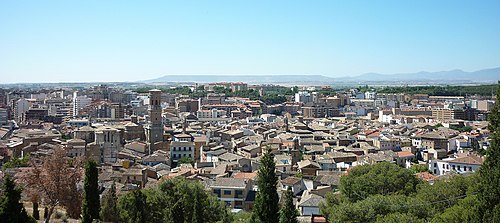
Tudela is a historic city located in the northeast of Spain, within the autonomous community of Navarre. Situated on the banks of the Ebro River, it is approximately 100 kilometers southeast of Pamplona, the region's capital. Its strategic location has historically made it an important crossroads for various cultures and trade routes. Tudela is known for its rich history, which dates back to Roman times when it was called Tudela Caesarina. The city fell under Moorish control in the 8th century, significantly influencing its architecture, culture, and agricultural practices. This blend of Roman and Islamic heritage is still apparent today in the city's layout, monuments, and even its agricultural landscape.
The city is renowned for its diverse cultural offerings and historical landmarks. Key attractions include the stunning Cathedral of Santa María, an example of both Romanesque and Gothic architecture, and the 12th-century Church of San Juan Bautista, which displays Mudejar style. Tudela is also famous for its gastronomy, particularly its fresh vegetables, such as the celebrated Tudela artichokes, which have been granted Protected Geographical Indication status. The city hosts several festivals throughout the year, the most notable being the Fiestas de Santa Ana, celebrating the patron saint with processions, music, and culinary events. Furthermore, Tudela's proximity to the Bardenas Reales, a semi-desert natural park, attracts nature enthusiasts and tourists seeking outdoor activities. Thus, Tudela presents a unique blend of history, culture, and nature, making it a captivating destination in Spain.
Facts about Tudela
- Tudela is renowned for its unique combination of Moorish and Christian architectural styles, evident in landmarks such as the Cathedral of Santa María.
- The city is located in the Ebro Valley and is known for its rich agricultural traditions, particularly its production of vegetables like artichokes and asparagus.
- Tudela is home to the ‘Fiestas de Santa Ana,’ a traditional festival celebrated in July, reflecting the city’s deep cultural roots and local customs.
- The Altamira Palace, located in Tudela, showcases a blend of Mudéjar and Renaissance architectural styles, making it a notable historical site.
- Tudela was an important location during the Reconquista, and it was the birthplace of several influential figures in Spanish history, including the philosopher and poet Ibn Hazm.
- The city is recognized for hosting the 'Jornadas Gastronómicas del Espárrago' (Asparagus Gastronomy Days), celebrating its local culinary heritage.
- Tudela’s old town is home to many well-preserved medieval structures, which earned it the title of a Cultural Heritage Site in Spain.
- The nearby Bardenas Reales, a semi-desert natural park, is unique to the region, attracting tourists with its stunning landscapes and geographical formations.
- Tudela has a long-standing tradition of producing ‘Tudela Pudding,’ a local dish that offers a unique taste of the region's culinary traditions.
- Different from other cities in Spain, Tudela boasts a thriving Jewish heritage highlighted by the historic Jewish Quarter, which played a significant role during medieval times.