Tuguegarao, Philippines
- 166,334 people
- 9 places to visit
- 17.6132, 121.727
Places to Visit (9)
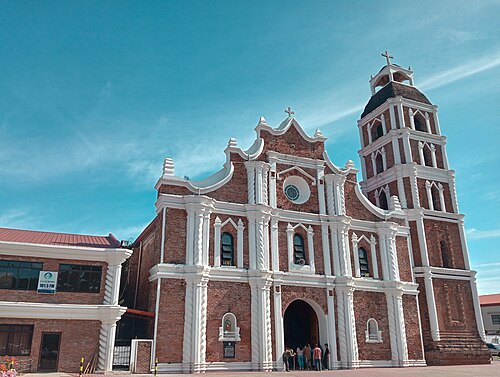
Tuguegarao is the capital municipality of the province of Cagayan in the northeastern region of the Philippines. Strategically located in the Cagayan Valley, Tuguegarao serves as a vital commercial and administrative hub in the area. The city is known for its rich history, having been founded in 1583, and it has played a significant role in the region’s development over the centuries. Tuguegarao is situated along the banks of the Cagayan River, which provides it with fertile plains and a conducive environment for agriculture, making farming one of the key economic activities in the region.
Tuguegarao's culture is a vibrant mix of indigenous traditions and influences from various historical periods, including Spanish colonization. This blend is reflected in local festivals, cuisine, and architecture. The city is famous for its unique churches, particularly the St. Peter Cathedral, which showcases a combination of Gothic and Baroque styles. Modern Tuguegarao also boasts numerous educational institutions, healthcare facilities, and commercial establishments, contributing to its growing economy. The region is known for its natural beauty, offering scenic views of the Sierra Madre mountain range and various outdoor activities, including trekking and river rafting. Tuguegarao's climate is characterized by a distinct dry season, which draws numerous tourists, especially during the months of April to July, making it an appealing destination for both local and international visitors.
Facts about Tuguegarao
- Tuguegarao is known as the capital city of the Cagayan province in the Philippines and serves as a major commercial and educational center in the region.
- The city is famous for its vibrant local cuisine, particularly the Tuguegarao longganisa, a distinct garlic-flavored sausage that attracts food enthusiasts.
- Tuguegarao has a unique blend of Spanish colonial architecture and modern infrastructure, with notable landmarks such as the St. Peter and Paul Cathedral, which has historical significance dating back to the Spanish era.
- Tuguegarao is recognized for its extreme weather; it holds the record for the highest temperature ever recorded in the Philippines at 42.2 °C (108 °F) in April 2010.
- The city is a key jump-off point for eco-tourism and adventure travel to the nearby Callao Cave and other natural attractions within the Cagayan Valley region.
- Tuguegarao participates in the annual ‘Adbiyag na Tuguegarao’ festival, showcasing the rich cultural heritage of the local community through parades, street dancing, and various competitions.
- The Tuguegarao Airport is unique for being one of the airports in the country served by the fastest-growing airline hub, expanding travel accessibility in the region.
- The city has been a historical center for the Philippine independence movement, with notable involvement during World War II and significant events leading up to the country's liberation.
- Tuguegarao is distinguished by its linguistic heritage, as it is predominantly a hub for the Ibanag language, which is native to the people of Cagayan Valley.
- The local education system includes some of the oldest educational institutions in the region, such as the University of Cagayan Valley, contributing to the city's reputation as an educational center.