Tula de Allende, Mexico
- 28,577 people
- 12 places to visit
- 20.0536, -99.3396
Places to Visit (12)
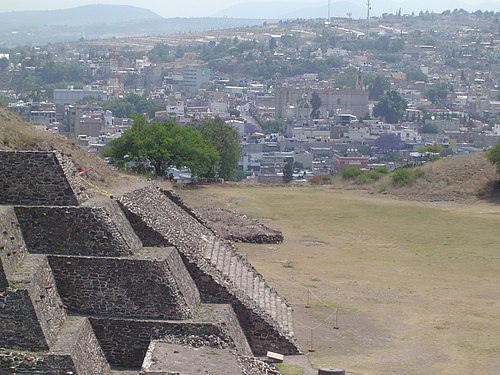
Tula de Allende, often simply referred to as Tula, is a city located in the state of Hidalgo, Mexico. Situated approximately 90 kilometers north of Mexico City, it serves as the municipal seat of Tula de Allende municipality. The city has a population of around 100,000 residents and has a rich historical and cultural significance that dates back to pre-Hispanic times. Tula was once the capital of the Toltec civilization, renowned for its powerful influence in Mesoamerican history between 900 and 1168 AD. Today, Tula is known for its archaeological sites, particularly the Tula Archaeological Zone, which features the impressive Pyramid of Tlahuizcalpantecuhtli, dedicated to the Toltec god of the dawn.
The most notable feature of Tula is its Colossal Atlanteans, massive stone statues that once served as support pillars for the temple. These sculptures, standing at around 4.5 meters tall, depict Toltec warriors and exemplify the artistry of the civilization. The site has been recognized as a UNESCO World Heritage Site, drawing visitors interested in the ancient culture of the region. The city also boasts colonial architecture, with churches built during the Spanish conquest, such as the Church of Santa María de la Asunción, which showcases beautiful baroque elements.
The modern economy of Tula is diverse, with significant contributions from industrialization, agriculture, and commerce. The municipality is home to one of the largest oil refineries in Mexico, which plays a crucial role in the local economy. Additionally, Tula is known for its artisanal crafts, including pottery and textiles, which continue to reflect the cultural heritage of the region. The city's festivals, particularly the Carnival and the Day of the Dead celebrations, highlight its vibrant cultural landscape, attracting both locals and tourists. Tula de Allende represents a unique blend of ancient history and modern development, making it a significant location in Mexico's historical and contemporary narrative.
Facts about Tula de Allende
- Tula de Allende is home to the ancient Mesoamerican archaeological site of Tula, which was the capital of the Toltec civilization and features impressive stone statues known as Atlanteans.
- The city is named after the famous Mexican revolutionary figure, Lázaro Cárdenas del Río, and was originally called Tula, its indigenous name.
- Tula is known for its unique archaeological artifacts, including the famous Atlantean warriors, which are massive stone sculptures that served as columns in the Temple of Tlahuizcalpantecuhtli.
- The Cathedral of Tula, built in the 16th century, is an architectural landmark that showcases a blend of European and indigenous styles.
- The city hosts an important annual festival called the 'Feria de la Tlayuda', celebrating the traditional dish that has become a symbol of local cuisine.
- Tula de Allende has a rich textile heritage, particularly known for its woolen textiles produced by local artisans that reflect the area's cultural history.
- The city is strategically located near the confluence of the Tula and Salado rivers, making it significant in ancient trade routes and agricultural prosperity.
- Tula is recognized for its pre-Hispanic ball game field, known as Tlachtli, the largest of its kind in Mesoamerica, which highlights the cultural significance of sports in Toltec society.
- The region was a major economic center during the Postclassic period, which led to its historical significance as a trade hub connecting different Mesoamerican cultures.
- Tula de Allende is part of the Hidalgo state, which is known for its diverse natural landscapes, including mountainous areas and rivers that contribute to the region's ecological richness.