Tulancingo, Mexico
- 102,406 people
- 15 places to visit
- 20.0905, -98.3691
Places to Visit (15)
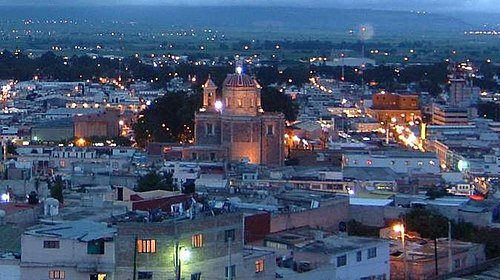
Tulancingo is a city located in the state of Hidalgo, Mexico, functioning as the municipal seat of the Tulancingo de Bravo municipality. Situated approximately 80 kilometers northeast of Mexico City, Tulancingo serves as a regional hub, blending rich history with modern development. The city has a population of around 100,000 people, making it one of the larger urban areas in Hidalgo. Its geographical location near the Otomí-Mexica area has historically made it an important cultural and commercial center. Tulancingo is known for its picturesque landscapes, with the Sierra de Pachuca mountains providing a scenic backdrop.
Historically, Tulancingo has roots that trace back to the pre-Columbian era, specifically to the Toltec civilization. The name "Tulancingo" itself is derived from Nahuatl, meaning "place of the tulan" or "meeting place." The area has several historic landmarks, including the Cathedral of Tulancingo, which showcases colonial architecture and is dedicated to the Virgin of Asunción. The city also features various archaeological sites, reflecting its importance in ancient Mesoamerican cultures. Modern-day Tulancingo has developed as a commercial center, particularly noted for its agricultural outputs, such as strawberries, corn, and vegetables. Economically, it thrives on small industries and crafts, including traditional furniture making and textiles.
Culturally, Tulancingo hosts several annual festivals and events that celebrate its heritage and traditions. Notable among them is the feast of the Virgin of Asunción, which attracts locals and visitors alike. The city is also home to various museums and art galleries that promote local artists and artisans. In recent years, Tulancingo has improved its infrastructure, enhancing transportation and public services to support economic growth and tourism. With its combination of natural beauty, rich history, and vibrant culture, Tulancingo remains a significant city in central Mexico, reflecting the diversity and complexity of the nation's heritage.
Facts about Tulancingo
- Tulancingo is known as the 'Cradle of the Mexican Revolution' due to its significant role during the early stages of the conflict.
- The city is home to the historic 'Templo de San Francisco', which features a beautiful baroque style and is one of the most notable churches in the region.
- Tulancingo's archaeological site, the 'Xihuingo', showcases pre-Hispanic architecture and artifacts, reflecting the rich history of the ancient Otomi people.
- The annual 'Tulancingo Fair' is a major cultural event, celebrating local traditions, crafts, and gastronomy, distinct from other fairs across Mexico.
- It is famous for its production of regional cheese, particularly 'queso de hebra', which is highly valued throughout the country.
- Tulancingo has a unique blend of colonial and modern architecture, with beautifully preserved buildings dating back to the colonial era.
- The city is strategically located near the Valle de Tulancingo, making it an agricultural hub for the production of diverse crops, especially vegetables.
- Tulancingo is known for its vibrant mural art, particularly the works of renowned Mexican artists that depict social and cultural themes.
- The 'Museo del Ferrocarril', located in Tulancingo, highlights the importance of the railroad to the region’s development and its history.
- Tulancingo hosts the 'Festival del Taco', which celebrates the city’s rich culinary heritage and offers a variety of traditional Mexican tacos.