Tulcea, Romania
- 92,475 people
- 8 places to visit
- 45.1716, 28.7915
Places to Visit (8)
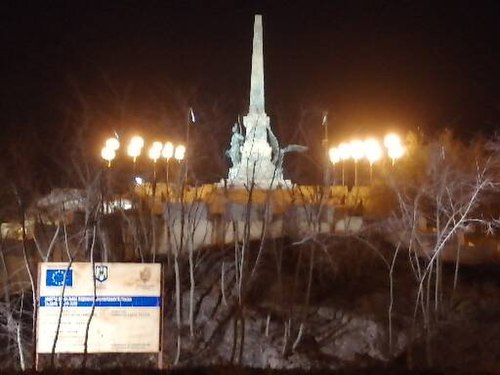
Tulcea is a city located in southeastern Romania, serving as the capital of Tulcea County. Situated at the confluence of the Danube River and its delta, Tulcea is strategically positioned about 70 kilometers from the Black Sea. With a history that dates back to ancient times, the city has been influenced by various cultures and civilizations, including the Greeks, Romans, and Byzantines. It is notable for its role as a crucial administrative and commercial hub for the surrounding regions, particularly given its proximity to the Danube Delta, a UNESCO World Heritage Site.
The city's population, which stands at approximately 70,000 residents, is a diverse mix of ethnicities, including Romanians, Greeks, and Lipovans. Tulcea's economy is largely driven by agriculture, fishing, and tourism, with the Danube Delta attracting numerous visitors eager to explore its rich biodiversity. The delta is home to over 300 species of birds and various aquatic life, making it a prime destination for eco-tourism and bird watching. Tulcea also boasts a vibrant cultural scene, featuring museums, galleries, and traditional festivals that celebrate local heritage, including the annual Danube Delta Festival.
Several notable landmarks can be found in Tulcea, such as the Museum of Danube Delta, which showcases the region's natural history and cultural significance. The city's historic architecture includes examples from different periods, reflecting its evolution over centuries. Additionally, Tulcea serves as a departure point for boat trips and tours into the Danube Delta, facilitating deeper exploration of this ecological treasure. As a gateway to one of Europe's most unique natural landscapes, Tulcea not only plays a vital role in preserving cultural and environmental heritage but also continues to grow as a destination for those interested in nature, adventure, and history.
Facts about Tulcea
- Tulcea is often referred to as the 'Gateway to the Danube Delta', which is a UNESCO Biosphere Reserve and one of the most biodiverse areas in Europe.
- The city is located at the confluence of the Danube River and the Black Sea, making it a crucial point for shipping and transportation.
- Tulcea has a rich history that dates back to the ancient Greeks, who established a settlement known as Aegisus in the area.
- The Tulcea Goats' Cheese Festival celebrates the region's traditional dairy products and attracts visitors every year, showcasing local culinary culture.
- The city's Museum of Danube Delta, opened in 2002, is dedicated to the natural and cultural heritage of the Delta and is one of the few of its kind in Romania.
- Tulcea is home to impressive Orthodox churches, including the Cathedral of St. Nicholas, noted for its neo-Byzantine architecture.
- The city's strategic location has made it a significant military and commerce hub over various historical periods, including during the Roman Empire.
- Tulcea celebrates its annual 'Sea Festival', a cultural event that includes art performances, music, and traditional crafts, reflecting its connection to the sea.
- The local economy is greatly influenced by fishing, agriculture, and eco-tourism, unlike many other Romanian cities that focus on industry.
- Tulcea is the only city in Romania that serves as a gateway to the Danube Delta, setting it apart from other urban areas in the country.