Tulsa OK, United States
- 413,066 people
- 15 places to visit
- 36.154, -95.9928
Places to Visit (15)
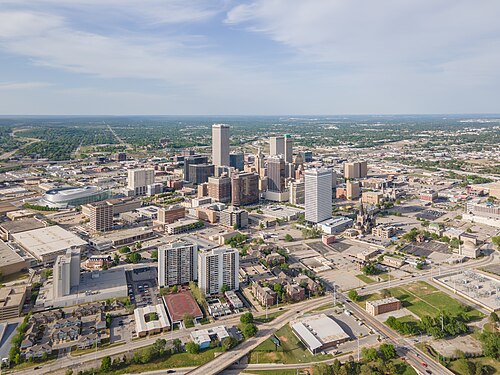
Tulsa, located in the northeastern part of Oklahoma, is the second-largest city in the state and serves as a cultural and economic hub of the region. Originally founded in the late 19th century as a trading post, Tulsa rose to prominence during the oil boom of the 1920s, earning it the nickname "Oil Capital of the World." This economic transformation led to a significant population increase and the development of stunning Art Deco architecture, which can be seen in various buildings throughout the city. Today, Tulsa has a diverse economy that includes aerospace, technology, finance, and healthcare, moving beyond its oil-centric past while still maintaining key ties to the energy sector.
The city is also known for its vibrant arts and cultural scene. Home to numerous museums, such as the Philbrook Museum of Art and the Gilcrease Museum, Tulsa showcases a rich collection of American art and artifacts, reflecting its historical roots and the heritage of Native American tribes in the area. The city hosts annual events that celebrate its cultural diversity, including the Tulsa International Mayfest and the Greenwood Cultural Center, which commemorates the historic Greenwood District, once known as "Black Wall Street" before the devastating Tulsa Race Massacre in 1921. Furthermore, Tulsa's numerous parks, including the expansive Gathering Place, provide residents with recreational areas and community engagement opportunities, facilitating a strong sense of community among its population of roughly 400,000 people. With its blend of history, culture, and economic potential, Tulsa continues to evolve, attracting new residents and visitors alike.
Facts about Tulsa
- Tulsa is known as the 'Oil Capital of the World' due to its significant role in the oil industry during the early 20th century, which led to rapid economic growth.
- The city is home to the renowned Philbrook Museum of Art, a historic villa that features a vast collection of Italian Renaissance art and extensive gardens.
- Tulsa's Greenwood District was once a thriving community for African Americans in the early 20th century, famously known as 'Black Wall Street' before the tragic Tulsa Race Massacre of 1921.
- The Gathering Place, a 66.5-acre riverfront park in Tulsa, was named one of the best public parks in the United States and features play areas, gardens, and trails.
- Tulsa boasts a diverse music scene, famous for its influence on the country music genre, and has been home to icons such as Woody Guthrie and Leon Russell.
- The BOK Center in downtown Tulsa is a state-of-the-art arena that hosts major concerts, sporting events, and performances, and is known for its unique architectural design.
- Tulsa has a rich art deco architectural heritage, with numerous buildings showcasing this distinctive style indicating the city’s prosperity during the 1920s.
- The city features the Tulsa State Fair, one of the largest and longest-running state fairs in the country, attracting hundreds of thousands of visitors each year.
- Tulsa has a unique annual event called 'Tulsa Tough,' a multi-day cycling festival that brings riders from around the country for races and related festivities.
- The city's proximity to the Arkansas River allows for waterfront activities and events, contributing to its vibrant outdoor lifestyle and community gatherings.