Tunis, Tunisia
- 693,210 people
- 10 places to visit
- 36.8065, 10.1815
Places to Visit (10)
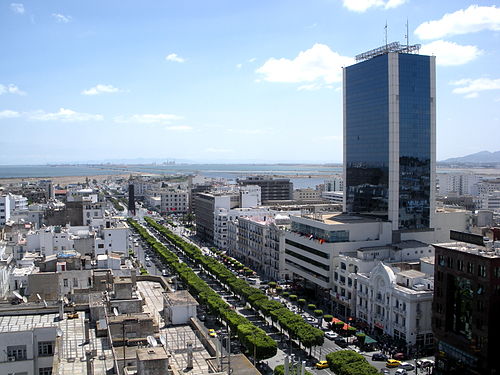
Tunis, the capital city of Tunisia, is located in the northeastern part of the country, near the Mediterranean Sea. With a population of over 1 million people, it serves as the political, economic, and cultural hub of Tunisia. The city has a rich history that dates back to ancient times, founded by the Phoenicians around 814 BC. Tunis was significantly influenced by various civilizations, including the Romans and the Ottomans. The medina of Tunis, a UNESCO World Heritage Site, showcases a labyrinth of narrow streets, traditional markets, and historical monuments that reflect these diverse influences. Key sites within the medina include the Zitouna Mosque, one of the oldest mosques in Tunisia, and the Palais Ksar, exemplifying Islamic architecture.
Modern Tunis is characterized by a blend of contemporary and traditional elements. The city is home to a vibrant arts and cuisine scene that attracts both locals and tourists. Rue Habib Bourguiba, often considered the city’s main thoroughfare, is lined with cafes, shops, and government buildings, embodying the spirit of modern Tunisian urban life. The Tunisian economy is diverse, with sectors including tourism, agriculture, and manufacturing. The nearby ancient city of Carthage, with its notable historical significance, and the picturesque beaches of La Marsa enhance Tunis's appeal as a destination. The cultural scene is rich, featuring festivals, museums, and theaters that celebrate Tunisian heritage and arts. Tunis also serves as an educational center, hosting several universities and research institutions, contributing to its status as a pivotal player in North Africa.
Facts about Tunis
- Tunis is the capital city of Tunisia and serves as the political, economic, and cultural center of the country.
- The Medina of Tunis, a UNESCO World Heritage site, is famous for its well-preserved Islamic architecture and historic souks.
- Tunis is home to the Bardo National Museum, which houses one of the largest collections of Roman mosaics in the world.
- The city is known for the ancient site of Carthage, located nearby, which was a major center of the ancient Mediterranean world.
- Tunis hosts the Tunis International Film Festival, one of the oldest film festivals in Africa, emphasizing regional cinematic talent.
- The city is distinguished by its combination of Arab, Berber, and French influences in its culture and architecture.
- Tunis has a unique tradition of 'Mouled' celebrations, commemorating the birth of the Prophet Muhammad with vibrant festivities.
- The Jardin Belvédère is a well-known park in Tunis, featuring beautiful gardens and museums, and is a popular spot for locals.
- Tunis was historically an important trade hub due to its strategic location along the Mediterranean coast.
- Unlike other Tunisian cities, Tunis has a vibrant street art scene that reflects contemporary social and political themes.