Turda, Romania
- 43,319 people
- 15 places to visit
- 46.5647, 23.7971
Places to Visit (15)
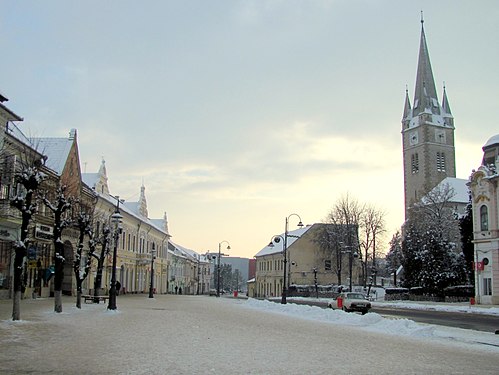
Turda is a city located in Cluj County, Romania, situated in the historical region of Transylvania. Positioned in a valley along the Arieș River, Turda is approximately 30 kilometers south of Cluj-Napoca, the largest city in northwestern Romania. The city has a rich history that dates back to Roman times, with archaeological evidence suggesting it was once a Roman settlement known as Potaissa. The name Turda is believed to be derived from the ancient Dacian and has evolved over centuries, reflecting the diverse cultural influences in the region, including those of the Romans, Hungarians, and Austro-Hungarians.
Turda is particularly renowned for its impressive salt mines, which have been an important part of the local economy since the Middle Ages. The Turda Salt Mine, or Salina Turda, was first documented in 1271 and has since transformed from a working mine into a popular tourist destination. It features a range of attractions, including an underground amusement park, a Ferris wheel, and a saltwater lake with rowboats, all set within vast caverns illuminated by colorful lights. In 2010, the mine was reopened to the public as a heritage site, showcasing both its historical significance and its unique geological formations. Beyond the salt mine, Turda is also home to several medieval landmarks, including the ruins of the Turda Fortress and historic buildings reflecting the architectural styles of different periods.
Today, Turda maintains a blend of its historical roots and modern development, attracting visitors for both its natural beauty and cultural heritage. The city is served by a well-developed infrastructure, including schools, healthcare facilities, and public transportation, making it an appealing place for both residents and tourists. Its vibrant local community is characterized by various cultural events, festivals, and a growing interest in preserving its historical legacy while promoting sustainable tourism. Turda not only serves as a testament to Transylvania’s rich past but also stands as a vibrant city that embraces both its historical significance and contemporary growth.
Facts about Turda
- Turda is home to the Turda Salt Mine, a historic salt mine transformed into a unique underground theme park and a significant tourist attraction.
- The Turda Salt Mine features an underground lake where visitors can go paddle boating, making it one of the only places in the world to offer this experience underground.
- The city played a crucial role in the history of salt mining in Romania, with evidence of salt extraction dating back to Roman times, making it one of the oldest salt mining sites in Europe.
- Turda is known for its well-preserved medieval architecture, including the Turda Fortress, which dates back to the 13th century and offers insights into the city's historical defensive strategies.
- The city is recognized for its unique thermal mineral springs, which have been used for therapeutic purposes since the 18th century, attracting visitors seeking wellness treatments.
- Turda is part of the Transylvania region, which is steeped in folklore and has close ties to the legends of Dracula, contributing to its cultural significance.
- Each summer, Turda hosts the International Festival of Theater for Young Audiences, aiming to promote the art of theater among youth and families.
- The Turda National Museum showcases the history and culture of the region, featuring artifacts that highlight its rich past related to salt mining and local traditions.
- In recent years, Turda has been recognized for its efforts in promoting sustainable tourism, balancing the preservation of its historical sites with modern developments.
- The city serves as a cultural hub within Cluj County, offering various events, festivals, and community activities that reflect the vibrant local culture.