Turnu Măgurele, Romania
- 28,783 people
- 6 places to visit
- 43.7517, 24.8774
Places to Visit (6)
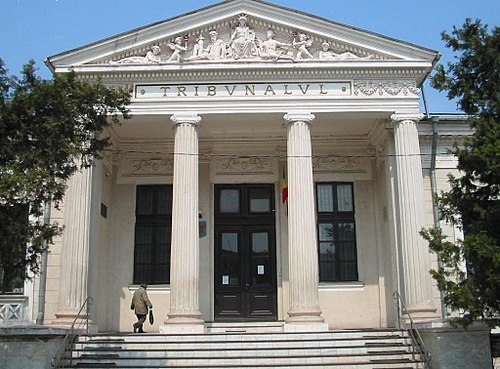
Turnu Măgurele is a city situated in the Teleorman County of Romania, along the banks of the Danube River. It is positioned opposite the Bulgarian town of Svistov, with the Danube acting as a natural border between the two nations. Turnu Măgurele is known for its strategic location, which has historically made it a point of interest for trade and transportation. The city has a rich history, with archaeological evidence suggesting that the area has been inhabited since ancient times. Various historical influences, including Roman, Ottoman, and Austro-Hungarian, have shaped its development.
With a population of approximately 25,000 inhabitants, Turnu Măgurele plays an important role in the region's economic framework. The city is part of the Oltenia historical region and has a diverse economic base, which includes agriculture and light industry. Turnu Măgurele's river port is significant for local and international trade, enhancing the region's connectivity. The city is also known for its cultural heritage, characterized by a mix of Romanian traditions and influences from surrounding countries. There are various landmarks, including churches and public buildings, that reflect the architectural styles from different periods of its history.
In recent years, Turnu Măgurele has been focusing on infrastructural development and improving its living standards, which aims to attract both economic investment and tourism. The surrounding natural landscape, coupled with the city's historical charm, presents opportunities for visitors interested in exploring Romania’s culture and history. As it continues to develop, Turnu Măgurele remains a unique blend of past and present, embodying the rich tapestry of Romanian life along the Danube River.
Facts about Turnu Măgurele
- Turnu Măgurele is known for its unique location on the banks of the Danube River, directly opposite the Bulgarian town of Turtucaia.
- The city is named after the 'Turnu' fortress, which dates back to the Roman era and was an important military site.
- Turnu Măgurele played a significant role during the Romanian Revolution of 1848, serving as a hub for revolutionary activities.
- The city is characterized by its distinctive architecture, with a blend of Neo-Gothic and Neo-Romanian styles, particularly seen in the local churches and public buildings.
- Turnu Măgurele is home to the Institute of Technology, which contributes to its reputation as a center for education and research in the region.
- The city hosts the annual 'Turnu Măgurele Music Festival,' celebrating various genres, including folk, classical, and modern music.
- Turnu Măgurele’s economy is heavily influenced by agriculture, particularly in the cultivation of corn and sunflowers, making it a significant agricultural hub in Romania.
- The nearby Turnu Măgurele Stud Farm is recognized for its breeding of quality Romanian horses, contributing to equestrian sports in the region.
- The Danube River offers various recreational activities for locals and tourists alike, including fishing, boating, and riverside walking paths.
- Historically, Turnu Măgurele has been a melting pot of cultures due to its location, with influences from Ottoman, Serbian, and Bulgarian communities over the centuries.