Tuscaloosa AL, United States
- 98,332 people
- 16 places to visit
- 33.2098, -87.5692
Places to Visit (16)
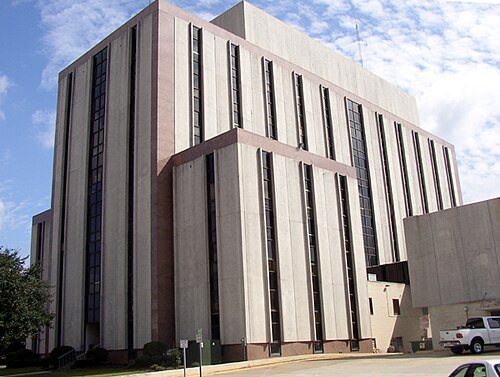
Tuscaloosa, Alabama, located in the west-central part of the state, is known for its rich history, vibrant culture, and significant role in higher education. Founded in 1819 and named after the Chickasaw chief Tuscumbia, the city became the capital of Alabama from 1826 to 1846. Today, Tuscaloosa is most recognized as the home of the University of Alabama, one of the largest universities in the southeastern United States. The university, established in 1831, contributes substantially to the local economy and cultural life, attracting students, faculty, and visitors from across the nation and around the world. The campus is notable for its historic architecture, particularly the iconic Denny Chimes and the picturesque Quad, which serve as focal points for student activities and community events.
The city not only boasts educational prestige but also has a vibrant arts scene, with venues like the Bama Theatre, which hosts movies and performances, and several art galleries showcasing local talent. The Riverwalk along the Black Warrior River provides recreational opportunities and a scenic location for outdoor activities, including walking, jogging, and fishing. Additionally, Tuscaloosa's downtown area has seen revitalization efforts, leading to a mix of historic buildings that house boutiques, restaurants, and cafes, contributing to a lively atmosphere. The city is also known for its strong sports culture, especially in football, with the University of Alabama Crimson Tide having a storied program that garners nationwide attention. Local traditions, such as the annual "Alabama vs. Auburn" Iron Bowl, highlight the state's passionate sports rivalry.
With a population of around 100,000, Tuscaloosa offers a blend of southern hospitality, progressive growth, and community spirit. The city's economy is diverse, supported by sectors such as education, healthcare, and manufacturing. Notable employers include the University of Alabama, DCH Health System, and several industrial manufacturers. Tuscaloosa’s commitment to cultural and recreational development, combined with its historical significance and educational prominence, makes it a unique city that reflects the rich heritage and evolving future of Alabama. Whether through its events, educational opportunities, or outdoor activities, Tuscaloosa continues to attract and engage residents and visitors alike.
Facts about Tuscaloosa
- Tuscaloosa is home to the University of Alabama, founded in 1831, which is known for its strong academic programs and successful athletic teams, particularly in football.
- The city was named after the Chickasaw chief Tuskaloosa, who led his people in the 16th century, making the name's origin unique among U.S. cities.
- Tuscaloosa played a significant role during the Civil War, serving as the state capital of Alabama and experiencing significant destruction during Union raids.
- The historic Tuscaloosa Federal Building, built in 1935, is a notable example of Art Deco architecture in the region.
- Every year, Tuscaloosa hosts the Druid City Arts Festival, a celebration of local art, music, and culture that attracts thousands of visitors.
- The city is known for the beautiful rivers and lakes surrounding it, including the Black Warrior River, which offers recreational activities such as fishing and boating.
- Tuscaloosa is recognized for its historic districts, including the Old Quarry Historic District, which showcases several antebellum homes and structures.
- The city has a strong connection to the music scene, famously being the birthplace of several notable musicians and hosting the annual Kentuck Festival of the Arts.
- Tuscaloosa experienced a devastating tornado on April 27, 2011, which led to significant rebuilding efforts, changing parts of the city's landscape.
- The Battle of Tuscaloosa took place in 1865 during the Civil War, marking an important chapter in the city's military history.