Túxpam de Rodríguez Cano, Mexico
- 84,750 people
- 14 places to visit
- 20.9561, -97.4063
Places to Visit (14)
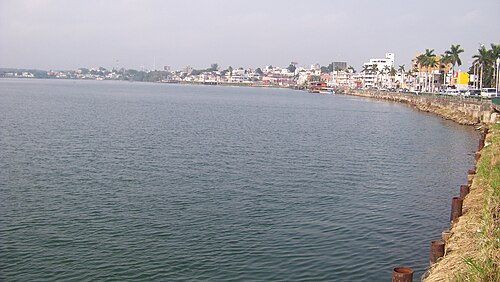
Túxpam de Rodríguez Cano, commonly known as Túxpam, is a city in the northern part of the state of Veracruz, Mexico. As the administrative center of the municipality of the same name, it is situated along the banks of the river of the same name, the Túxpam River, which flows into the Gulf of Mexico. The city is located approximately 200 kilometers from the state capital, Xalapa, and is characterized by its lush landscapes, which are rich in biodiversity, including tropical vegetation and various wildlife. Founded in the 19th century, Túxpam played a significant role in the economic development of Veracruz through the enhancement of agriculture and exportation of local products, such as coffee and sugarcane.
Túxpam is also notable for its diverse cultural heritage and the influence of indigenous groups, particularly the Totonac people, whose traditions can still be observed today. The city hosts several annual festivals that celebrate its cultural identity, one of the most significant being the Feast of San Juan Bautista, which showcases traditional music, dance, and local cuisine, drawing both residents and visitors alike. Additionally, the architectural landscape of Túxpam reflects a mixture of colonial and modern styles, with historic buildings and churches that highlight the city’s rich past. The local economy is supported by agricultural activities, commerce, and tourism, particularly due to the nearby natural attractions, including waterfalls, rivers, and lush mountains suitable for eco-tourism and adventure activities. Thus, Túxpam de Rodríguez Cano stands out as a vibrant community that balances tradition with modernity while embracing its natural resources and cultural diversity.
Facts about Túxpam de Rodríguez Cano
- Túxpam de Rodríguez Cano is renowned for its coffee production and is considered one of the important coffee-growing regions in Mexico, contributing to the country's coffee culture.
- The city is home to the Museo de la Ciudad, which features exhibits on local history, culture, and the unique heritage of the region, helping to preserve its history for future generations.
- Túxpam is famous for the 'Cazuelas' festival, which celebrates traditional Mexican pottery and the craft of making cazuelas, a type of earthen cookware, attracting artisans and tourists alike.
- The city has a significant historical background, as it was established in the 17th century and played a vital role during the Mexican War of Independence as a strategic location.
- Túxpam boasts the unique architectural feature of the iconic 'Puente de la Historia', a bridge that connects different parts of the city and stands as a symbol of its historical importance.
- The city hosts the annual Festival Internacional de la Cultura del Café, which celebrates coffee cultivation and culture, offering activities, workshops, and tastings that highlight the region's coffee heritage.
- Túxpam de Rodríguez Cano is located near the Pantano de Vargas, a protected natural area known for its rich biodiversity, making it a great destination for eco-tourism and nature enthusiasts.
- It is known as the birthplace of the renowned Mexican composer José Pablo Moncayo, who is celebrated for his contributions to Mexican music, particularly the piece 'Huapango'.
- The city features a unique blend of cultures, with influences from indigenous groups, Spanish colonizers, and various immigrants, contributing to its rich and diverse cultural landscape.
- Túxpam's river, the Río Tuxpan, is a major navigational route that has shaped the city's economy and history, serving as a critical channel for trade and transportation in the region.