Tuxtepec, Mexico
- 101,810 people
- 12 places to visit
- 18.0809, -96.1421
Places to Visit (12)
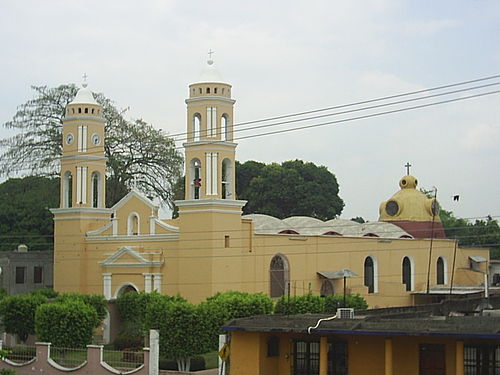
Tuxtepec is a city located in the northern part of the state of Oaxaca, Mexico. It serves as the municipal seat of the municipality of Tuxtepec and is situated about 80 kilometers northwest of the state capital, Oaxaca City. The city is positioned at the confluence of the Tuxtepec and Papaloapan rivers, which has historically contributed to its development as an important commercial and agricultural hub in the region. Tuxtepec is known for its lush landscapes, characterized by tropical climate and abundant natural resources, including coffee and sugarcane plantations. These agricultural products form the backbone of the local economy, along with the manufacturing and services sectors that have been growing in prominence.
Founded in the early colonial period, Tuxtepec has a rich cultural heritage that reflects a blend of indigenous and Spanish influences. The city's name derives from the Náhuatl language, meaning "place of the stones," indicative of its historical connection to the ancient civilizations that inhabited the area. Notable local celebrations include the annual "Fiesta de la Cruz," which takes place in May and features colorful parades, traditional music, and dance. Additionally, Tuxtepec is home to various historical landmarks, including colonial-era churches and government buildings that showcase its architectural legacy.
In recent years, Tuxtepec has become increasingly recognized for its community efforts and initiatives aimed at improving urban infrastructure and services. The government has invested in various projects to enhance public transportation, healthcare, and education, contributing to a better quality of life for its residents. Despite facing challenges typical of urban centers, such as migration and economic fluctuations, Tuxtepec continues to thrive due to its strategic location, cultural vibrancy, and the resilience of its communities. Today, it stands as a city that balances tradition with modernity, reflecting the richness of Oaxaca's diverse cultural landscape.
Facts about Tuxtepec
- Tuxtepec is known as the 'City of the Two Rivers' due to its location at the confluence of the Tuxtepec and Uxpanapa rivers.
- The city has a rich history linked to the pre-Columbian Olmec and Zapotec cultures, making it significant for archaeological studies.
- Tuxtepec is famous for its rich biodiversity and is located near the Sierra de Juárez mountains, offering numerous outdoor activities.
- The city hosts the annual Feria de la Primavera, celebrating the arrival of spring with cultural events, parades, and traditional music.
- Tuxtepec is recognized for its production of sugar cane, coffee, and tropical fruits, contributing to its status as an important agricultural hub.
- The local cuisine is heavily influenced by indigenous traditions and features unique dishes such as 'tlayudas' and 'mole de olla'.
- Tuxtepec is home to the historic Church of San Juan Bautista, which showcases notable Baroque architecture and local craftsmanship.
- It is also known for its vibrant markets, particularly the Mercado Municipal, where visitors can find local crafts and foods.
- The city serves as a gateway to several eco-tourism attractions, including natural reserves and waterfalls in the surrounding region.
- Tuxtepec has been a focal point for social movements and cultural exchanges, reflecting its diverse population and historical significance in Oaxaca.