Tuzla, Bosnia and Herzegovina
- 142,486 people
- 9 places to visit
- 44.5375, 18.6735
Places to Visit (9)
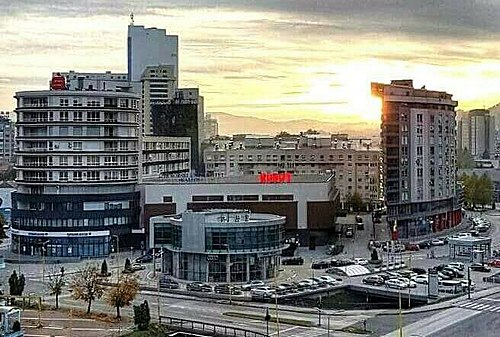
Tuzla is a prominent city located in northeastern Bosnia and Herzegovina, known for its rich industrial history and cultural significance. As the administrative center of the Tuzla Canton, it boasts a population of approximately 75,000 inhabitants, making it one of the largest cities in the country. Tuzla is uniquely positioned near the borders of both the Federation of Bosnia and Herzegovina and is part of the geographical area known as the Podrinje region. Historically, the city has served as a key economic hub, particularly during the 19th and 20th centuries, deriving its wealth from salt production and coal mining. The surrounding salt lakes, particularly the famous Pannonian Salt Lakes, provide unique recreational opportunities and are a notable attraction for both locals and tourists.
Culturally, Tuzla is characterized by its diverse population, comprising various ethnic groups, including Bosniaks, Serbs, and Croats. This multicultural background is reflected in the city’s architecture, cuisine, and festivals. Tuzla is home to several educational institutions, including the University of Tuzla, which contributes to its vibrant atmosphere. The city also plays an important role in the arts, with numerous galleries, theaters, and cultural events showcasing the work of local and regional artists. Although Tuzla suffered significant destruction during the Bosnian War in the 1990s, efforts have been made to rebuild and revitalize the city, resulting in a blend of historical and modern features. Today, Tuzla is seen as a symbol of resilience and recovery, offering visitors a unique perspective on the complexities of the region’s history while embracing modern development and economic challenges. The combination of its natural resources, cultural richness, and historical importance makes Tuzla a key city within Bosnia and Herzegovina.
Facts about Tuzla
- Tuzla is known for its salt lakes, particularly the Pannonica salt lakes, which are unique natural formations resulting from the area's historical salt mining.
- The city has a rich history of salt production, dating back to Roman times, making it one of the oldest salt mining centers in Europe.
- Tuzla hosts the only Salt Museum in Bosnia and Herzegovina, showcasing the history and significance of salt production in the region.
- Tuzla is recognized for its diverse cultural life, home to various festivals, including the Tuzla Festival of Youth and the International Theater Festival.
- The city was a significant industrial center during the former Yugoslavia, known primarily for its coal mining and chemical industries.
- Tuzla is home to Bosnia and Herzegovina's first and only public university, the University of Tuzla, which was established in 1976.
- The city features the iconic Black Box, an innovative cultural and artistic venue, promoting contemporary arts and performances.
- Tuzla has a vibrant café culture and is known for its lively social scene, attracting young people and students from across the country.
- The city has a notable multi-ethnic community and serves as a model for coexistence among different cultures, especially following the conflicts of the 1990s.
- Tuzla is famous for its annual Pannonian Beach Festival, which celebrates local and regional music, attracting visitors from all over the country.