Tver, Russian Federation
- 420,065 people
- 11 places to visit
- 56.8587, 35.9176
Places to Visit (11)
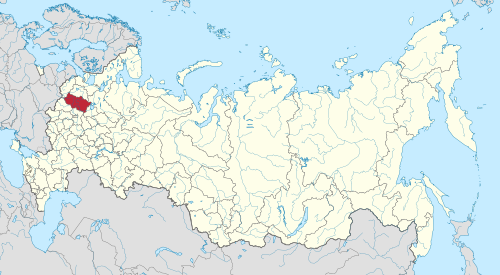
Tver is a city located in the northwestern part of the Russian Federation, serving as the administrative center of Tver Oblast. Founded in the 12th century, it is one of Russia's oldest cities, situated at the confluence of the Volga and Tvertsa rivers. Historically, Tver was an important political and economic center, often in competition with Moscow for regional dominance. The city was known for its role as the capital of the Tver principality during the late medieval period, and its rich cultural heritage is reflected in numerous architectural landmarks, including the Tver Regional Drama Theatre and the majestic Tver Cathedral.
The city's population is approximately 400,000 residents, making it a significant urban center in the region. Tver's economy has evolved over the years, transitioning from its historical roots in trade and agriculture to a more diversified industrial base. Key industries in Tver include engineering, food processing, and textiles. The city is also known for its educational institutions, with several universities and colleges that contribute to the local workforce and foster innovation. Tver benefits from its strategic location, as it lies along the major rail and road routes connecting Moscow and St. Petersburg, making it a vital transit hub. Additionally, Tver's natural surroundings, characterized by parks and rivers, offer recreational opportunities, enhancing the quality of life for its inhabitants. Overall, Tver is a city with a rich history, vibrant culture, and an emerging economy, playing an essential role in the socio-economic landscape of Russia.
Facts about Tver
- Tver is one of the oldest cities in Russia, founded in the 12th century, and has a rich history as a cultural center.
- The city is located at the confluence of the Volga and Tvertsa rivers, making it an important geographical and trade point historically.
- Tver has a unique blend of Russian architectural styles, particularly noted for its neoclassical buildings and churches, such as the Tver Resurrection Cathedral.
- Tver played a significant role during the Napoleonic Wars, serving as a military headquarters and a key transit point for Russian troops.
- The city was once the capital of Russia during the reign of Prince Mikhail of Tver in the 14th century, before Moscow gained prominence.
- Tver is home to the largest ice sculpture festival in Russia, attracting artists and tourists from all over the world.
- The Tver region is known for its natural beauty, with numerous lakes, forests, and parks, including the scenic Seliger Lake nearby.
- Tver has a diverse cultural scene, hosting the Tver Drama Theatre, which has been a significant part of the city's cultural life since the 19th century.
- The city is recognized for its contribution to the Russian railway system, being an important junction with several major rail lines converging in Tver.
- Tver celebrates its City Day annually in September, featuring various cultural events, parades, and exhibitions that highlight its history and local traditions.