Twin Falls ID, United States
- 47,468 people
- 14 places to visit
- 42.5558, -114.4701
Places to Visit (14)
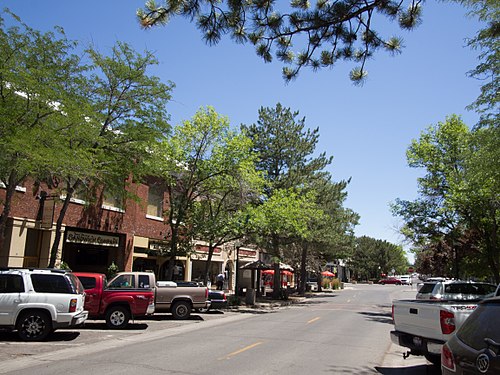
Twin Falls is a city located in south-central Idaho, known for its stunning natural beauty and outdoor recreational opportunities. As the county seat of Twin Falls County, it serves as a cultural and economic hub for the region. The city was officially incorporated in 1904 and has since grown into one of the largest cities in Idaho. The population is approximately 50,000 residents, making it a vibrant community that balances urban amenities with a small-town feel. The city is situated at an elevation of about 3,745 feet and is often recognized for its ideal climate, which features warm summers and mild winters.
Twin Falls is perhaps best known for the majestic Shoshone Falls, often referred to as the "Niagara of the West," which is actually higher than Niagara Falls. This natural wonder attracts visitors year-round, particularly in the spring, when the water flow is at its peak. The park surrounding the falls offers numerous hiking trails and viewpoints, enhancing its appeal as a premier outdoor destination. Additionally, the city lies along the scenic Snake River Canyon, which provides opportunities for activities like base jumping, rock climbing, and white-water rafting. The Perrine Bridge, a notable architectural feat, spans the canyon and is a popular spot for both tourists and locals, offering breathtaking views of the landscape.
Economically, Twin Falls has diversified its industries, with agriculture, healthcare, and manufacturing being significant contributors to its economy. The region is known for farming potatoes, sugar beets, and other crops, supported by the fertile soil and ample irrigation from the Snake River. The city is also home to several educational institutions, including the College of Southern Idaho, which plays a key role in workforce development and higher education in the area. In terms of culture, Twin Falls hosts events such as the Twin Falls Farmers Market and the annual Idaho State Police Rodeo, which foster community spirit. As a growing city, Twin Falls continues to attract newcomers, drawn by its unique blend of outdoor recreation, economic opportunity, and a welcoming community atmosphere.
Facts about Twin Falls
- Twin Falls is home to the iconic Shoshone Falls, known as the 'Niagara of the West,' which is actually higher than Niagara Falls.
- The city was founded in the 19th century and is named after a pair of waterfalls located on the Snake River, which are visible from various points around the city.
- Twin Falls has a rich agricultural history, thanks in part to the development of irrigation systems from the Snake River, which transformed the desert into fertile farmland.
- The city is known for the Perrine Bridge, completed in 1976, which is one of the highest bridges in the United States and offers stunning views of the canyon and river below.
- Twin Falls is a significant destination for BASE jumping; the Perrine Bridge is one of the few legal locations for this extreme sport year-round.
- The city's proximity to the Sawtooth National Recreation Area makes it a hotspot for outdoor activities such as hiking, fishing, and skiing.
- Twin Falls is also home to the Evel Knievel Jump Site, where the famous stuntman attempted to jump the Snake River Canyon in 1974.
- The city hosts the Twin Falls Idaho Farmer's Market, which is a popular event that supports local agriculture and artisans each summer.
- Twin Falls has a vibrant arts community and is home to the Magic Valley Arts Council, which organizes events and exhibits throughout the year.
- The city played a crucial role in the irrigation development of the region, with the construction of several dams such as the Minidoka Dam, significantly impacting agriculture and community growth.