Úbeda, Spain
- 35,649 people
- 13 places to visit
- 38.0114, -3.3713
Places to Visit (13)
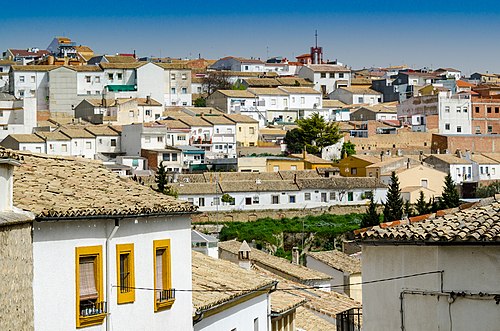
Úbeda is a historic city located in the province of Jaén, within the autonomous community of Andalusia in southern Spain. Renowned for its rich cultural heritage and architectural significance, Úbeda played an essential role during the Spanish Renaissance. Its strategic location atop a small hill provides stunning views of the surrounding olive groves that characterize the region. The city boasts a population of approximately 35,000 inhabitants and has retained its small-town charm, making it an attractive destination for visitors interested in history and architecture.
The architecture of Úbeda is a remarkable blend of Gothic, Mudejar, Renaissance, and Baroque styles. The city is home to numerous well-preserved monuments, with notable examples including the Church of Santa María de los Reales Alcázares, which displays a harmonious combination of Mudejar and Gothic styles, and the stunning Renaissance buildings that house the Palacio de las Cadenas and the Plaza Vázquez de Molina. Úbeda's urban center was declared a UNESCO World Heritage site in 2003, along with its neighbor Baeza, due to its exceptional architectural significance and the preservation of Renaissance urban planning. The city hosts various cultural events and festivals, including the popular Semana Santa (Holy Week), which reflects its deep-rooted traditions.
Culinary offerings in Úbeda are also noteworthy, allowing visitors to experience the flavors of Jaén's olive oil, which is renowned for its quality. Local dishes typically emphasize the use of fresh, regional ingredients and Mediterranean flavors. As a center for traditional Andalusian culture, Úbeda's vibrant arts scene features local crafts and artisan goods, making it an ideal location for those intrigued by Spanish culture and history. With its picturesque landscapes, rich cultural heritage, and warm local hospitality, Úbeda remains a hidden gem in Spain, enticing travelers to explore its storied past and enjoy its tranquil atmosphere.
Facts about Úbeda
- Úbeda is recognized as a UNESCO World Heritage Site, celebrated for its exceptional Renaissance architecture and historical significance.
- The city is particularly famous for its well-preserved plazas and churches, such as the stunning Sacra Capilla del Salvador, an excellent example of Spanish Renaissance architecture.
- Úbeda has a rich Moorish history, evidenced by its narrow streets and the remnants of Islamic architecture, which distinguish it from many other Spanish cities.
- The city was a significant center during the Spanish Renaissance, contributing to the arts and culture with notable figures like the sculptor Andrés de Vandelvira.
- Úbeda is known for its production of high-quality olive oil, often referred to as 'liquid gold,' setting it apart as one of the leading olive oil-producing regions in Spain.
- The city's annual Festival of Renaissance Theatre is a unique cultural event that attracts visitors and celebrates its historical roots with performances set against the backdrop of Renaissance architecture.
- Úbeda has a population of approximately 35,000, making it a smaller city compared to Spain's larger urban centers, yet rich in cultural heritage.
- The historic center of Úbeda features numerous palaces and civil buildings, showcasing a blend of Gothic, Mudejar, and Renaissance styles that are emblematic of its architectural diversity.
- The local cuisine includes traditional dishes such as 'pipirrana' and 'migas,' which highlight the region's agricultural products and culinary heritage.
- Úbeda is closely associated with the famed Spanish poet Antonio Machado, who spent time in the city and whose influence is still felt in its cultural landscape.