Ürümqi, China
- 3,029,372 people
- 11 places to visit
- 43.8266, 87.6169
Places to Visit (11)
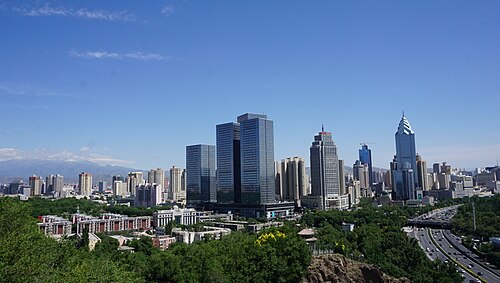
Ürümqi, the capital of the Xinjiang Uygur Autonomous Region in northwestern China, is one of the most important cities in the country due to its strategic location along the historic Silk Road. Situated approximately 2,500 kilometers from Beijing and surrounded by mountains, Ürümqi serves as a vital transportation and trade hub connecting Central Asia to China. The city has a population of around 3 million, predominantly consisting of Han Chinese and Uygurs, with several other ethnic groups contributing to its diverse cultural landscape. This plurality is reflected in the cuisine, traditions, and languages spoken in the region, with Uygur culture and Islam playing significant roles in the local identity.
Ürümqi has undergone significant urban development and modernization over the past few decades. The city features a range of architectural styles, from traditional Islamic designs to modern high-rises, showcasing its historical depth and contemporary aspirations. Notable landmarks include the Xinjiang Regional Museum, which houses exhibits on the diverse history of the region, and the Grand Bazaar, a bustling marketplace that reflects the local culture and offers a wide variety of goods, including handicrafts, spices, and ethnic foods. The city's climate is characterized by a continental pattern, with hot summers and cold winters, further influencing its agricultural and economic activities. Ürümqi's location also positions it as a gateway to other attractions in Xinjiang, such as the Tianshan Mountains, the Taklamakan Desert, and various historical sites related to the Silk Road. As such, the city serves not only as an administrative and economic center but also as a cultural crossroads, contributing to its significance in China's broader national narrative.
Facts about Ürümqi
- Ürümqi is the capital of Xinjiang Uyghur Autonomous Region, making it one of the largest cities in the world that is farthest from any ocean, being over 2,500 kilometers away.
- The city has a diverse population, including Han Chinese, Uyghurs, Kazakhs, and other ethnic groups, contributing to a rich cultural tapestry unique to the region.
- Ürümqi is home to the Xinjiang International Grand Bazaar, one of the largest markets in Central Asia, offering a vast array of goods, foods, and cultural experiences.
- The city has a museum dedicated to the Silk Road, highlighting its historical significance as a trading hub for merchants traveling between the East and the West.
- The Heavenly Lake (Tianshan Nuoer Lake), located around 110 kilometers from Ürümqi, is a stunning natural attraction set against the backdrop of the Tianshan Mountains, drawing tourists for its scenic beauty.
- Ürümqi is known for its unique cuisine, influenced by the various ethnic groups in the area, including dishes like lamb kebabs, pilaf, and Uyghur noodles.
- The region experiences extreme temperature variations, making Ürümqi one of the hottest areas in summer and one of the coldest in winter in China.
- The city has a significant history of trade and cultural exchange, evidenced by archaeological finds from the Xinjiang region that date back to the Silk Road period.
- Ürümqi has made significant advancements in renewable energy, being one of the leaders in wind power generation in China.
- The city hosts the Xinjiang Uyghur Autonomous Region Art Museum, where visitors can learn about the distinctive art and cultural heritage of the various ethnic groups in the region.