Uíge, Angola
- 322,531 people
- 3 places to visit
- -7.6102, 15.0616
Places to Visit (3)
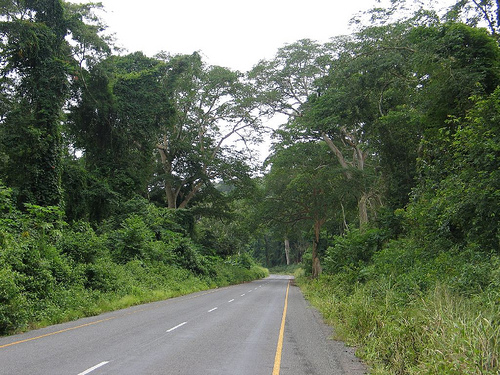
Uíge is a city in Angola, serving as the capital of Uíge Province, located in the north-central part of the country. Founded in 1912 during the Portuguese colonial era, Uíge has grown into one of Angola's significant urban centers. The city is strategically situated along the main road connecting Luanda, Angola's capital, to the northern provinces, which enhances its importance as a commercial and transportation hub. Uíge's geographical position is characterized by a tropical climate, with distinct wet and dry seasons, which influences agricultural activities in the region.
As of recent years, Uíge has undergone substantial development, particularly in infrastructure and economic opportunities, largely driven by the country's post-civil war recovery since 2002. The local economy features a mix of agriculture, trade, and small-scale industries. The fertile lands surrounding Uíge allow for the cultivation of various crops such as maize, cassava, and beans, contributing to local food security and commerce. Although the city faces challenges, including high unemployment rates and inadequate public services, investments in housing, schools, and healthcare are gradually improving living conditions. Uíge is culturally rich, with a predominantly Bakongo population, which influences local traditions, music, and festivals, making it a vibrant place in Angola's diverse cultural landscape. The interplay of historical influences and modern growth marks Uíge as a significant city in Angola's ongoing development narrative.
Facts about Uíge
- Uíge is known for being the center of the former Kingdom of Kwango, highlighting its historical significance in Angola's pre-colonial era.
- The city serves as a vital commercial hub in northern Angola, linking trade routes between various provinces.
- Uíge is home to the unique cultural festival 'Festa da Rainha' which celebrates the region's rich heritage and traditions.
- The region surrounding Uíge is characterized by its lush greenery and is often referred to as 'the green province' of Angola.
- Uíge houses the Uíge National Park, which is recognized for its biodiversity and natural beauty, including various endemic species.
- Uíge's economy is largely based on agriculture, with the cultivation of crops such as coffee and cassava being prominent.
- The city has a distinct blend of ethnic groups, contributing to a diverse cultural landscape that includes multiple languages and traditions.
- Uíge is known for its archaeological sites, which offer insight into the ancient civilizations that inhabited the region.
- Uíge was significantly impacted during the Angolan Civil War, serving as a battleground for various factions and reshaping its demographic landscape.
- The local architecture in Uíge features a mix of traditional Angolan styles and colonial influences, reflecting its complex history.