Ukmerge, Lithuania
- 20,154 people
- 13 places to visit
- 55.2479, 24.7604
Places to Visit (13)
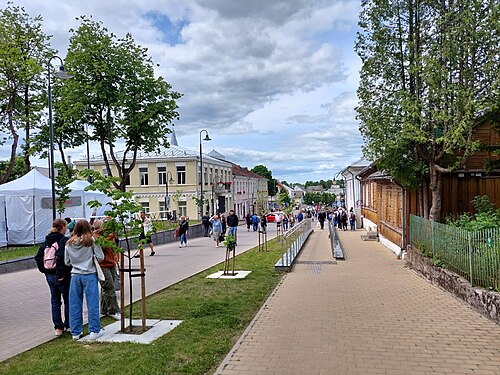
Ukmerge, a city in northeastern Lithuania, serves as the administrative center of the Ukmerge District Municipality. Known historically by its Polish name, Uciana, Ukmerge is situated at the confluence of the Jiesia and Šventoji rivers, approximately 84 kilometers northwest of the capital city, Vilnius. The city covers an area of about 7.5 square kilometers and, as of the 2021 census, had a population of around 22,000 inhabitants. The region's fertile soil and strategic location along historical trade routes have contributed to its development since ancient times. Evidence of settlement dates back to the Stone Age, and throughout its history, Ukmerge has played an important role in Lithuanian culture and commerce.
The city features a blend of architectural styles that reflect its rich history, including remnants of medieval fortifications, wooden houses, and neoclassical structures. Notable landmarks include the St. Michael the Archangel Church, built in the early 20th century, and the nearby Ukmerge Castle ruins, which date back to the 14th century. The city is also known for its cultural events and festivals, which celebrate local traditions and heritage. Ukmerge is well-connected by road and rail, providing easy access to other major urban centers. The surrounding area is characterized by natural beauty, with parks and forests that offer recreational opportunities and support biodiversity. As Lithuania continues to develop economically and socially, Ukmerge remains an important part of the country's cultural fabric and historical narrative.
Facts about Ukmerge
- Ukmerge is one of the oldest towns in Lithuania, with roots tracing back to the 13th century.
- The city is known for its unique location at the confluence of the rivers Šventoji and Vilkmergėlė, making it a picturesque spot for nature lovers.
- Ukmerge has a rich Jewish heritage, with a Jewish community established in the area since the 16th century, reflecting a significant cultural history that is distinct from many other Lithuanian towns.
- The town was formerly known as Wolmer, which is derived from the German name, and holds remnants of Teutonic Knights' influence in the region.
- Ukmerge is home to the only surviving example of a late 19th-century wooden railway station building in Lithuania, showcasing the city's historical significance in transportation.
- In 1918, Ukmerge was chosen as one of the sites for the establishment of the Council of Lithuania, playing a pivotal role in the country's fight for independence.
- The city hosts the Ukmerge Trade and Craft Fair annually, promoting local artisans and fostering community spirit, which sets it apart from other urban events in Lithuania.
- Ukmerge has a notable landmark, the Church of St. Peter and St. Paul, known for its beautiful neo-gothic architecture and historic significance to the local Catholic community.
- The city is also known for its parks and green spaces, including the J. Basanavičius Park, which offers a tranquil environment within the urban setting, differing from more industrialized cities in Lithuania.
- Ukmerge has a unique tradition of festival celebrations that include historical reenactments, reflecting its rich cultural heritage and local pride.