Ulm, Germany
- 120,451 people
- 17 places to visit
- 48.4011, 9.9876
Places to Visit (17)
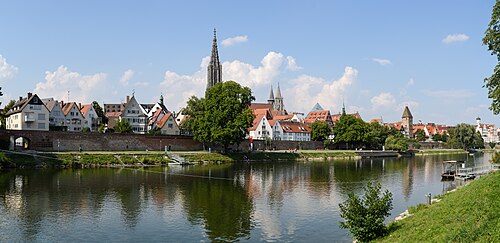
Ulm is a city in the southwestern part of Germany, situated on the banks of the Danube River in the state of Baden-Württemberg. As of 2023, the city has a population of approximately 125,000 residents, making it a significant urban center in the region. Ulm is known for its rich history, which dates back over 2,000 years, with roots in the Roman settlement of "Uulum." Today, it features a mix of historical architecture and modern urban life, making it a vibrant place to live and visit. One of the most recognizable landmarks in Ulm is the Ulm Minster (Ulm Münster), which boasts the tallest church steeple in the world at 161.5 meters. This impressive Gothic structure attracts tourists and architecture enthusiasts alike, showcasing intricate details and stunning stained-glass windows.
The city's economy is diverse, with strengths in sectors such as technology, education, and research. Ulm is home to a number of prestigious institutions, including the University of Ulm, which specializes in science and engineering. This academic presence contributes to a dynamic workforce and drives innovation in the region, particularly in fields like biotechnology and information technology. In addition to its educational institutions, Ulm has a long-standing tradition in the manufacturing sector, historically focusing on textiles, machinery, and automotive components. The city's strategic location near the intersection of major transportation routes, including the A8 motorway and the Danube canal, further enhances its economic importance and connectivity.
Culturally, Ulm has a rich arts and events scene, along with numerous museums and galleries that reflect its heritage and contemporary creativity. The city's many festivals and markets foster a sense of community and celebrate local traditions, particularly the Christmas market and the Ulm Carnival. Ulm also emphasizes outdoor activities, with access to picturesque landscapes and recreational opportunities along the Danube, including cycling paths and hiking trails. The combination of Ulm's historical significance, economic vitality, and cultural offerings makes it an attractive destination for visitors and a desirable place for residents.
Facts about Ulm
- Ulm is home to the Ulm Minster, which features the tallest steeple in the world at 161.5 meters (530 feet).
- The city is noted for being the birthplace of Albert Einstein on March 14, 1879.
- Ulm is located directly on the banks of the Danube River and is known for its picturesque old town, including the charming Fischerplaetzle area.
- Ulm has a rich history as a free imperial city in the Holy Roman Empire, which lasted until the beginning of the 19th century.
- The city hosts the annual 'Ulm International Danube Festival,' celebrating the cultures and traditions of the countries along the Danube River.
- Ulm boasts a unique dual-city structure with its neighboring city, Neu-Ulm, located across the Danube, which was formerly part of Bavaria.
- The 'Ulm School of Design' is famous for its influential role in modern design and architecture during the mid-20th century.
- Ulm features a significant astronomical clock on the Minster, known for its complicated mechanisms and show at noon.
- The city has a vibrant cultural scene, including the Ulm Theater, which hosts a variety of performances from opera to contemporary plays.
- Ulm has a strong educational presence with institutions like the University of Ulm, known for its research in medicine and computer science.