Ulsan, South Korea
- 962,865 people
- 5 places to visit
- 35.5537, 129.2381
Places to Visit (5)
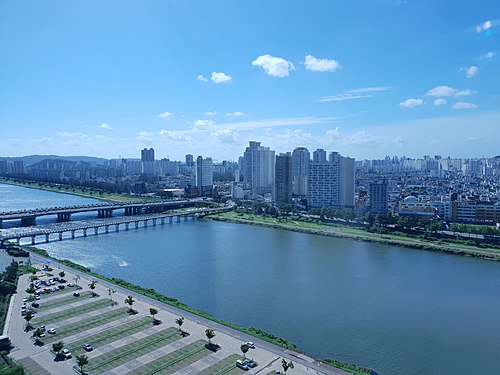
Ulsan is a city located in the southeastern part of South Korea, known for its robust industrial landscape and rich cultural heritage. As the country's seventh-largest city, Ulsan lies along the eastern coast of the Korean Peninsula, adjacent to the Taehwa River and the Sea of Japan. The city's strategic location has contributed to its development as a major industrial hub, primarily recognized for its shipbuilding, automotive, and petrochemical industries. Notably, Ulsan is home to the world's largest automobile assembly plant operated by Hyundai Motor Company and one of the largest shipyards globally, Ulsan Shipyard, operated by Hyundai Heavy Industries. This concentration of heavy industries has not only propelled Ulsan's economy but has also made it a vital contributor to South Korea's overall economic growth.
Beyond its industrial prowess, Ulsan boasts a wealth of natural beauty and cultural attractions. The city is surrounded by scenic landscapes, including the mountainous Taebaek range and stunning coastal areas such as Jinha Beach and Dongchun Beach, which attract both locals and tourists alike. Ulsan is also home to several significant cultural sites, including the Ulsan Museum, which showcases the city's history from prehistoric times to the modern era, and the historic Daewangam Park, renowned for its beautiful seaside views and the iconic Daewangam Rock. Ulsan's commitment to preserving its cultural heritage is evidenced by various festivals throughout the year, including the Ulsan Whale Festival, which highlights the region's maritime history and appreciation for nature. Thus, Ulsan stands as a city that seamlessly blends industrial advancement with natural beauty and cultural depth, making it a unique part of South Korea's landscape.
Facts about Ulsan
- Ulsan is home to the world's largest automobile manufacturing plant, operated by Hyundai Motor Company, significantly contributing to South Korea's automotive industry.
- The Ulsan Taehwa River National Garden, a scenic area along the Taehwa River, features diverse ecosystems and serves as a vital green space for residents.
- Ulsan hosts the Ulsan Munsu Football Stadium, which was one of the venues for the 2002 FIFA World Cup and reflects the city's commitment to sports.
- Ulsan is known for its shipbuilding industry and is often referred to as the 'City of Shipbuilding,' housing major shipyards such as Hyundai Heavy Industries.
- The city is also recognized for its petrochemical industrial complex, which is one of the largest in Asia, fostering economic growth and job creation.
- Ulsan is located near the beautiful coastal area of Donghae, providing stunning beaches and marine activities, distinguishing it from other inland cities.
- Every year, Ulsan hosts the Ulsan Whale Festival, celebrating the migration of gray whales along the coast and promoting marine conservation awareness.
- The city features the historic Ulsan Grand Park, which is the largest urban park in South Korea, offering extensive recreational areas and botanical gardens.
- Ulsan has a well-preserved iron age dolmen site, recognized as a UNESCO World Heritage Site, which showcases its ancient history and cultural significance.
- The Ulsan City Museum offers a comprehensive look at the city's rapid industrial development and its transformation from a small city to an industrial powerhouse.