Umán, Mexico
- 39,611 people
- 10 places to visit
- 20.8878, -89.7481
Places to Visit (10)
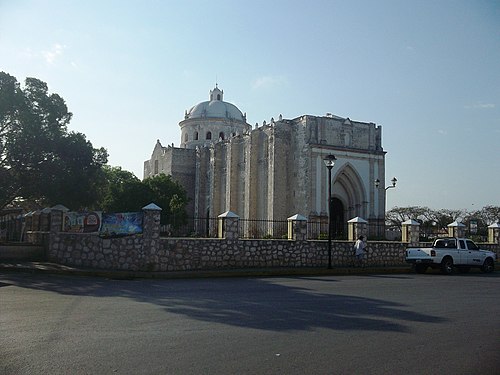
Umán is a city located in the state of Yucatán, Mexico, approximately 20 kilometers from the state capital, Mérida. It serves as the municipal seat of the municipality of the same name and plays an important role in the region's economic and cultural landscape. With a population of around 50,000 residents, Umán has experienced growth and development in recent years, influenced by its proximity to Mérida and the increasing trend of urbanization in the state.
The city is historically significant, with roots that trace back to pre-Columbian times. It was originally inhabited by the Maya civilization, and remnants of Mayan architecture can still be found in the surrounding areas. Umán's cultural heritage is reflected in the local traditions, cuisine, and festivals celebrated throughout the year, which often incorporate indigenous elements. The city has become a commercial hub, attracting businesses and industries due to its favorable location and accessibility. Additionally, the local economy benefits from agriculture, with many residents engaged in the cultivation of citrus fruits and other crops, further bolstering the region's economic stability.
Umán's infrastructure has developed in tandem with its growth, featuring improved transportation networks, schools, and healthcare facilities. The city is known for its vibrant community life, showcased in public events such as the annual Festival of the Holy Cross, which draws visitors from surrounding areas. As the city continues to evolve, it maintains a balance between modernization and the preservation of its rich cultural identity, making Umán a unique and thriving part of Yucatán's landscape.
Facts about Umán
- Umán is known as the 'Flor de la Paz' (Flower of Peace), a title that reflects its commitment to tranquility and community well-being.
- The city is part of the Mérida metropolitan area, making it a suburban extension that contributes to the cultural and economic dynamism of Yucatán.
- Umán has a rich Mayan history and features archaeological sites nearby, including the ancient Mayan city of T'Hó, which is linked to the development of Mérida.
- One of Umán's significant landmarks is the Church of San Francisco de Asís, which showcases colonial architecture and serves as a vital community center.
- Umán hosts the Festival of the Patron Saint San Francisco de Asís every October, attracting visitors with cultural events, music, and traditional dances.
- The city is renowned for its agro-industrial production, especially in the cultivation of various fruits and the production of henequen, historically significant to the region's economy.
- Umán is home to a unique local market where artisans sell traditional Yucatecan crafts, including handmade textiles and pottery, distinguishing it from other markets in the region.
- It is one of the few cities in Mexico that has actively promoted eco-tourism initiatives, encouraging both environmental sustainability and local economic development.
- The population of Umán has seen rapid growth in recent years, transforming it from a quaint town into a vibrant urban center with burgeoning infrastructure.
- Umán is known for its educational institutions, including several universities that focus on technical and vocational training, responding to the needs of the local and regional job markets.