Uruguaiana, Brazil
- 123,480 people
- 4 places to visit
- -29.7584, -57.0863
Places to Visit (4)
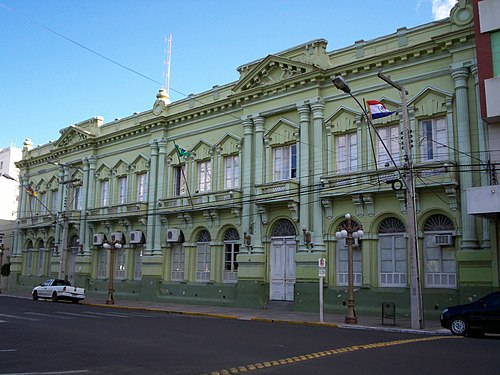
Uruguaiana is a municipality located in the state of Rio Grande do Sul, Brazil. Situated near the border with Argentina, it lies along the banks of the Uruguai River, which serves as a natural boundary between the two countries. Founded in 1844, Uruguaiana has historically been a significant regional hub due to its strategic position, allowing for cross-border trade and cultural exchange. The city is approximately 600 kilometers west of the state capital, Porto alegre, and serves as a vital link in the southern cone of South America for commerce, transportation, and logistics.
Demographically, Uruguaiana has a diverse population, heavily influenced by both Brazilian and Argentinian cultures. It is known for its agricultural activities, with a focus on rice, soybeans, and livestock farming. The city's economy benefits from its proximity to the international border, with various businesses catering to cross-border travelers and trade. In addition to its economic significance, Uruguaiana is noted for its cultural events, including the annual International Rodeo Festival, which draws visitors from various regions and showcases local traditions, music, and dance. The city also features several historical landmarks, including the Church of the Matrizes and the historic Train Station, highlighting its rich heritage and cultural landscape.
Education and healthcare are pivotal aspects of life in Uruguaiana, with several institutions catering to diverse educational needs and a healthcare system that serves both local residents and neighboring communities. The city experiences a humid subtropical climate, characterized by warm summers and mild winters, which supports its agricultural activities. In recent years, Uruguaiana has sought to enhance its infrastructure and urban development, aiming to improve the quality of life for its residents and strengthen its position as a key player in regional trade. With its unique blend of cultural heritage, economic opportunity, and geographical significance, Uruguaiana continues to evolve as an essential city in the southern part of Brazil.
Facts about Uruguaiana
- Uruguaiana is known for its unique geographical location, being situated on the border between Brazil and Argentina, directly opposite the city of Paso de los Libres.
- The city is famous for its large cattle ranches, and it hosts one of the largest livestock fairs in southern Brazil, the Expoagro, which showcases regional agriculture and livestock.
- Uruguaiana has a rich cultural heritage, influenced by the traditions of the gauchos, which are reflected in local music, dance, and cuisine.
- In the past, Uruguaiana played a strategic role in the War of Paraguay (1864-1870), serving as a key logistical point for Brazilian troops.
- The city is home to the historic São João Batista Church, a beautiful example of colonial architecture that dates back to the 19th century.
- Uruguaiana is known for its scenic riverside, particularly the banks of the Ibiporã River, which are a popular spot for recreational activities and picnics.
- The city celebrates the International Folklore Festival of Uruguaiana, which attracts performers and visitors from various countries, emphasizing the importance of cultural exchange.
- Uruguaiana features a diverse population with significant influences from both Brazilian and Argentine cultures, creating a unique blend of traditions.
- The city is also known for its vibrant carnival festivities, which include colorful parades and samba schools, showcasing the local culture.
- Uruguaiana has a distinct economic profile, relying heavily on agriculture, cross-border trade, and livestock farming, distinguishing it from other cities in Brazil.