Utena, Lithuania
- 25,397 people
- 8 places to visit
- 55.5, 25.6094
Places to Visit (8)
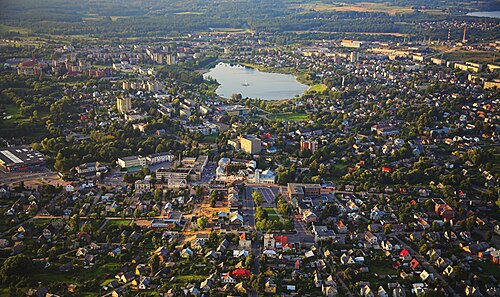
Utena is a city located in northeastern Lithuania, serving as the administrative center of Utena County. It is situated on the banks of the Utenos River, surrounded by lush forests and picturesque landscapes, which make it an appealing destination for nature enthusiasts. With a population of approximately 26,000 residents, Utena is one of Lithuania’s smaller cities, yet it possesses a rich history and vibrant cultural scene. The city’s origins can be traced back to the 13th century, although it was officially granted city rights in 1792. Utena played a significant role throughout various periods of Lithuanian history, including the Grand Duchy of Lithuania and the interwar period, when it became an important trade hub due to its strategic location along transportation routes.
Today, Utena boasts a range of modern amenities while still preserving its historical heritage. The city features a number of notable landmarks, including the Utena Museum, which showcases local history, art, and culture, alongside the Church of St. Michael the Archangel, a striking Neoclassical structure built in the early 20th century. Utena’s picturesque landscape is also home to several lakes, including Lake Utena, which offers recreational opportunities for boating, fishing, and swimming. The city hosts various cultural events throughout the year, such as the Utena City Festival, which celebrates local traditions and fosters community engagement. Additionally, Utena is known for its educational institutions, including vocational schools and the Utena University of Applied Sciences, which contribute to the local economy and provide opportunities for youth development.
The economy of Utena is diverse, with a mix of agriculture, manufacturing, and services sectors. The city has a number of small and medium-sized enterprises, as well as larger businesses that produce food products, furniture, and textiles. Utena's proximity to larger cities like Vilnius and Panevėžys further enhances its economic prospects, facilitating trade and investment opportunities. Furthermore, Utena is recognized for its commitment to environmental sustainability, emphasizing green spaces and eco-friendly initiatives that enhance the quality of life for its residents. Overall, while Utena may not be as widely known as some other Lithuanian cities, it offers a unique blend of history, culture, and natural beauty, making it a compelling place to live and visit.
Facts about Utena
- Utena is known for its rich textile heritage, having been a significant center for textile production in Lithuania during the 20th century, particularly with the Utena textile factory established in the 1920s.
- The city is home to the unique Utena Lake District, which features numerous lakes and natural attractions, making it a popular destination for outdoor enthusiasts and nature lovers.
- Utena hosts the annual Utena Jazz Festival, which attracts local and international jazz musicians, celebrating the genre and promoting cultural exchange.
- The city is home to the Utena Museum, which showcases the history and cultural heritage of the region, including exhibits on local traditions and ancient artifacts.
- Utena is distinguished by its historical wooden architecture, with several preserved wooden houses that reflect the traditional Lithuanian building style.
- The city's name is derived from the Utena River, which flows through the area and is associated with various local legends and historical tales.
- Utena's 'Kempinge' is a unique local beer, known for its distinct flavor, which has become a point of pride for the city's brewing tradition.
- The Utena region produces a variety of agricultural products, including dairy, which is recognized for its quality and is a vital part of the local economy.
- Utena has a vibrant vibrant sports culture, particularly known for its basketball teams, which have achieved notable success in national competitions.
- The city has a local folklore tradition that includes unique songs, dances, and festivals, contributing to the preservation of Lithuanian culture.