Utrera, Spain
- 50,665 people
- 11 places to visit
- 37.1848, -5.7795
Places to Visit (11)
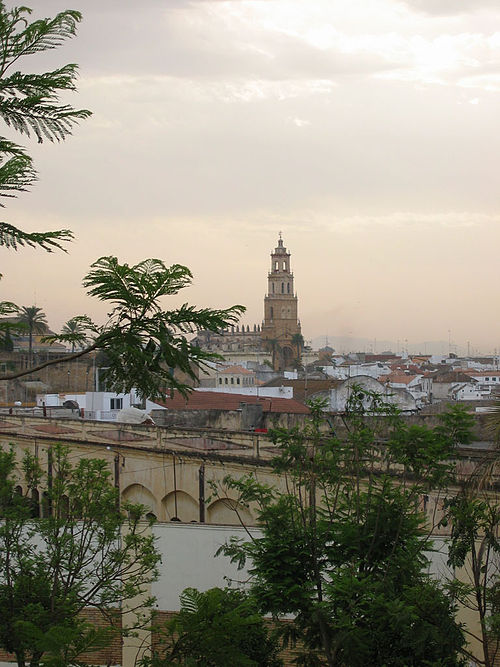
Utrera is a historic town located in the province of Seville, Andalusia, in southern Spain. Nestled approximately 30 kilometers from the provincial capital, Seville, Utrera boasts a rich cultural heritage and a vibrant local economy, primarily based on agriculture, trade, and tourism. With a population of around 50,000 residents, the town is known for its traditional Andalusian architecture, cobblestone streets, and picturesque plazas, which reflect the region's Moorish and Christian influences throughout the centuries. Utrera's strategic position along the Guadalquivir River has historically made it a vital connection point between different regions of Andalusia, contributing to its growth and importance since ancient times.
The town's history dates back to Roman times when it was known as "Utrerum" and later gained prominence during the Moorish period. Significant landmarks include the Church of Santiago, an example of Gothic and Mudejar styles that dates back to the 15th century, and the Castillo de Utrera, a castle that symbolizes the town's medieval past. Utrera is also recognized for its vibrant festivals, most notably the Feria de Utrera, held annually in May, which features traditional music, dance, gastronomy, and flamenco performances—an integral part of the town's cultural identity. The area's culinary offerings are diverse, with local specialties such as "pimientos de Utrera," a type of pepper, and numerous tapas bars that highlight the rich flavors of Andalusian cuisine.
In addition to its cultural attractions, Utrera is well-positioned for those exploring the wider Andalusia region, making it an appealing destination for tourists. The town's commitment to preserving its historical legacy while embracing modern development allows it to maintain a unique charm and character. Utrera's strong community spirit, alongside its picturesque surroundings and historical significance, make it a notable point of interest in Andalusia's tapestry of cities and towns. With its deep-rooted traditions and vibrant atmosphere, Utrera offers a window into the cultural richness of southern Spain.
Facts about Utrera
- Utrera is renowned for its tradition of flamenco music and dance, hosting the annual Flamenco Festival that attracts both national and international artists.
- The city is home to the impressive 16th-century Church of Nuestra Señora de la Consolación, a prime example of Mudéjar architecture, unique to this region of Spain.
- Utrera has a rich agricultural history, particularly known for its production of olives and olive oil, setting it apart from other cities in the region.
- The town celebrates its famous Fiestas de la Virgen de Consolación in September, combining religious tradition with vibrant local culture, making it a unique experience.
- Utrera played a significant role in the history of the Spanish Civil War, being a site of numerous skirmishes and a major stronghold for the Republican side.
- The annual 'Desfile de Caballos' (Horse Parade) showcases the local equestrian culture, featuring decorated horses and riders, a tradition not widely celebrated in many other towns.
- Utrera is known for its unique culinary dish called 'salmorejo', a cold tomato soup that is distinct from the more widely known gazpacho, reflecting local flavor.
- The city is home to several ancient Roman ruins, emphasizing its historical significance during the Roman Empire, including the remains of the town of Utrera known as 'Utrera Apamiana'.
- Utrera has its own unique style of pottery and ceramics, influenced by the region's history and culture that differs from other areas in Andalusia.
- The fertile land surrounding Utrera has made it a critical area for livestock farming, especially for the famous Iberian pigs, setting it apart in the realm of Spanish gastronomy.