Uvira, DR Congo
- 407,092 people
- 1 places to visit
- -3.3729, 29.1449
Places to Visit (1)
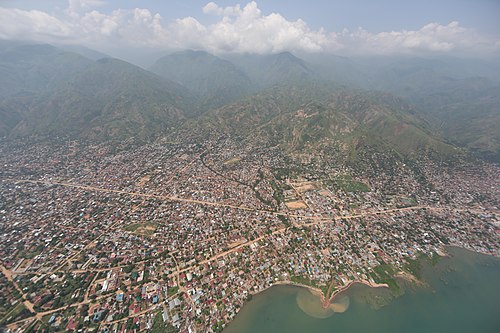
Uvira is a city located in the Sud-Kivu province of the Democratic Republic of the Congo (DRC), situated along the eastern shores of Lake Tanganyika. With a population of approximately 150,000 residents, Uvira serves as an important port and trade center in the region. Founded during the late 19th century, the city has a diverse cultural heritage, influenced by different ethnic groups, including the Tembo, Yira, and Bantu. Uvira is often regarded as the gateway to Lake Tanganyika, one of the deepest and oldest lakes in the world, which is surrounded by breathtaking landscapes and rich biodiversity, making it a key area for both local fisheries and regional tourism.
The economy of Uvira is largely based on agriculture, trade, and fishing, with numerous local markets that reflect the vibrant economic activities of the region. The strategic location of Uvira allows for transportation links to neighboring countries, including Burundi and Tanzania, facilitating commerce and the movement of goods. Despite its economic potential, Uvira has faced various challenges, including political instability, insecurity, and humanitarian issues stemming from regional conflicts. The city witnessed significant turmoil during the Congolese wars in the late 1990s and early 2000s, leading to displacement and loss of infrastructure. In recent years, efforts have been made to improve local governance, security, and socio-economic conditions, although challenges remain.
Uvira is also characteristically known for its picturesque landscapes and natural beauty, fostering tourism opportunities that are still developing. Visitors are drawn to the lake for activities such as fishing, swimming, and boating, while the surrounding hills offer hiking trails with stunning views of both the lake and the city. As a hub of cultural exchange, Uvira hosts annual festivals and local traditions that attract both locals and tourists. The city’s unique position at the intersection of various cultures and its historical significance in the region make it a noteworthy part of the DRC, exemplifying both the challenges and opportunities facing many Congolese urban centers today.
Facts about Uvira
- Uvira is located on the eastern shore of Lake Tanganyika, one of the largest and deepest freshwater lakes in the world.
- The city serves as a crucial trade route, connecting the Democratic Republic of Congo with Burundi and Tanzania, making it strategically important for cross-border commerce.
- Uvira is known for its unique geological feature, the Uvira Hills, which provide panoramic views of the surrounding area and are a popular destination for hiking.
- The city has a diverse ethnic composition, including the Bahavu, Banyamulenge, and other groups, contributing to a rich cultural tapestry.
- Uvira is famous for its vibrant marketplaces, such as the central market, where local goods, crafts, and produce reflect the region's agricultural abundance.
- The city has experienced significant socio-political challenges, particularly during the Second Congo War, which has shaped its resilience and community spirit.
- Uvira is bordered by the Ruzizi River, which acts as a natural border with Burundi, influencing both its ecology and economy.
- The city is home to various educational institutions, promoting literacy and development in the region despite ongoing challenges.
- Uvira celebrates several local festivals throughout the year, showcasing traditional music, dance, and cuisine, distinct from other cities in DR Congo.
- The region's climate is tropical, allowing for rich biodiversity, including unique flora and fauna not found in other parts of the country.