Vaasa, Finland
- 67,631 people
- 14 places to visit
- 63.095, 21.6164
Places to Visit (14)
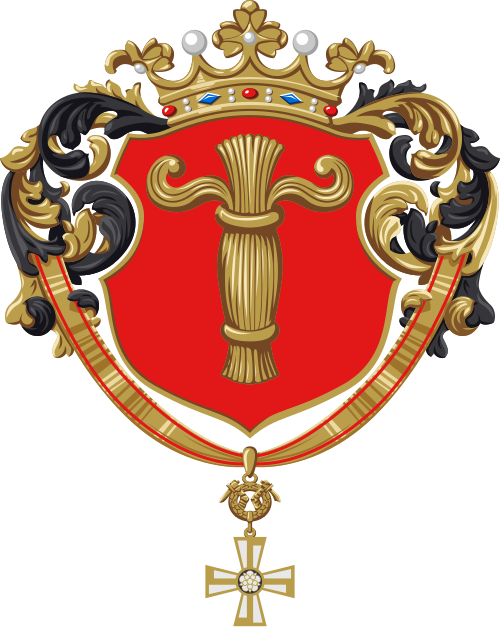
Vaasa is a coastal city located in western Finland, situated on the shores of the Gulf of Bothnia. As the capital of the Ostrobothnia region, Vaasa holds a significant position in Finnish history and culture. Established in 1606, it was originally located further inland but was relocated closer to the coast after a devastating fire in 1852. The city is known for its vibrant atmosphere, blending a rich historical heritage with modern development. As of 2023, Vaasa has a population of approximately 67,000 residents, making it one of the largest cities in Finland. The majority of the inhabitants are bilingual, with both Finnish and Swedish being commonly spoken, reflecting the city’s diverse cultural influences.
Vaasa is characterized by its unique architecture, which includes neoclassical buildings and the iconic Vaasa Market Hall. Additionally, the city is renowned for its educational institutions, notably the University of Vaasa and the Vaasa University of Applied Sciences, which attract students from across the globe. The local economy is heavily reliant on industries such as clean technology, energy, and maritime activities. Vaasa is also referred to as the "Energy Capital of Finland," hosting numerous companies specializing in renewable energy and information technology. Its strategic location near the Kvarken Archipelago, a UNESCO World Heritage site, offers ample opportunities for outdoor activities and tourism. The city boasts beautiful parks, waterfront promenades, and a lively cultural scene, with various festivals, museums, and theaters enriching the social fabric. Vaasa exemplifies a harmonious blend of innovation and tradition, making it a key player in Finland's regional development.
Facts about Vaasa
- Vaasa is known for its unique architecture, particularly its wooden buildings from the late 19th century, which are among the best-preserved in Finland.
- The city is located on the western coast of Finland, offering a remarkable archipelago with over 2,000 islands, making it a popular destination for boating and fishing.
- Vaasa is home to the largest population of Swedish speakers in Finland, reflecting its rich bilingual heritage.
- The city hosts the annual Vaasa Poetry Days, attracting poets and literary enthusiasts from across the country for readings and workshops.
- Vaasa has a strong connection to the energy industry, being known as the 'Energy Capital of Finland' due to the presence of numerous energy companies and research centers.
- The city's history traces back to its founding in 1606 by King Charles IX of Sweden, making it one of the older cities in Finland.
- Vaasa's Korsholm Fortress, built in the 18th century, was the site of significant historical events during the Finnish War and provides insight into military architecture of the period.
- The city is famous for the Ostrobothnian Museum, which showcases the cultural history of the region, including exhibitions on local traditions and crafts.
- Vaasa is the location of the Berta's House, a museum dedicated to the life of Berta Kynnös, a famous local writer and cultural figure.
- The city's annual Vaasa Festival celebrates local culture with music, food, and a variety of events, highlighting its vibrant community spirit.