Vänersborg, Sweden
- 23,119 people
- 10 places to visit
- 58.3797, 12.3248
Places to Visit (10)
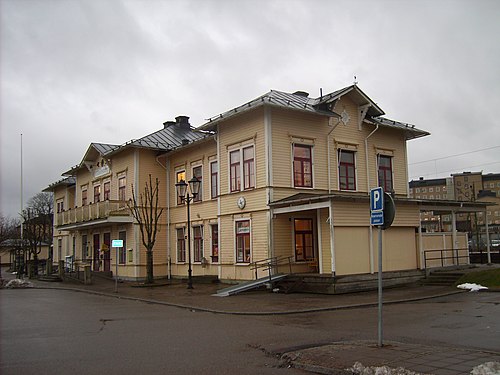
Vänersborg is a picturesque locality situated in Västra Götaland County, Sweden. Nestled along the banks of the Göta Älv River, it lies to the west of Lake Vänern, the largest lake in Sweden and the third largest in Europe. The town, with its rich history and charming atmosphere, has become an attractive destination for both residents and visitors alike. Founded in the early 17th century, Vänersborg was initially established to facilitate trade routes between the lake and the sea. Over the years, it evolved into an important center for local commerce and transportation, bolstered by its strategic position near the waterway network linking central Sweden to the west coast.
Vänersborg's architectural landscape reflects its historical significance, featuring a mix of well-preserved buildings from various epochs, including neoclassical and wooden structures. One of the prominent landmarks is the Vänersborgs Museum, which showcases a range of exhibits detailing the town's history, culture, and natural environment. Additionally, the town is home to the beautiful Vänerparken, a public park that offers scenic views of the surrounding landscape, making it a popular destination for outdoor enthusiasts and families. Vänersborg also serves as a cultural hub, hosting various events and festivals throughout the year, including concerts, markets, and local celebrations that highlight the region's traditions.
With a population of around 35,000 residents, Vänersborg has a strong sense of community and offers amenities that cater to various lifestyles. The town is characterized by excellent quality of life, supported by good educational institutions, healthcare facilities, and recreational options. Outdoor activities are abundant, with opportunities for hiking, cycling, and water sports on Lake Vänern and the Göta Älv River. The local economy is diverse, with sectors such as manufacturing, retail, and service industries playing significant roles. Vänersborg also benefits from its proximity to larger cities like Trollhättan and Gothenburg, enhancing employment prospects and regional connectivity. Overall, Vänersborg stands out as a charming Swedish town that harmoniously blends historical richness with contemporary living.
Facts about Vänersborg
- Vänersborg is located at the mouth of the River Vänern, Sweden's largest lake, making it a key point for trade and transport.
- The city was founded in 1583 by King John III of Sweden, originally as a military stronghold, which makes it one of the older towns in Sweden.
- Vänersborg features the famous Vänersborgs Museum, which is known for its extensive collections of local history and art, including the notable 'Vänern Exhibition'.
- The city is known for the Djäkneberget hill, offering panoramic views of the surrounding lake and forests, popular among locals and tourists alike.
- Vänersborg hosts the annual 'Vänersborg Carnival', attracting visitors with its vibrant parade, music, and cultural activities, making it a unique event in Sweden.
- The city has a rich industrial history, having been an important center for shipbuilding and engineering in the 19th and early 20th centuries.
- Vänersborg is home to the largest wooden church in Sweden, the Vänersborg Church, which features beautiful baroque architecture and stunning interior designs.
- The city is situated at the crossroad of important railway and road connections, which historically contributed to its growth as a transport hub.
- Vänersborg's proximity to several nature reserves and outdoor recreational areas makes it a popular destination for eco-tourism and nature activities.
- The city's annual cultural events highlight local traditions, including music festivals and craft markets, showcasing Vänersborg's community spirit.