Västerås, Sweden
- 127,799 people
- 15 places to visit
- 59.6099, 16.5448
Places to Visit (15)
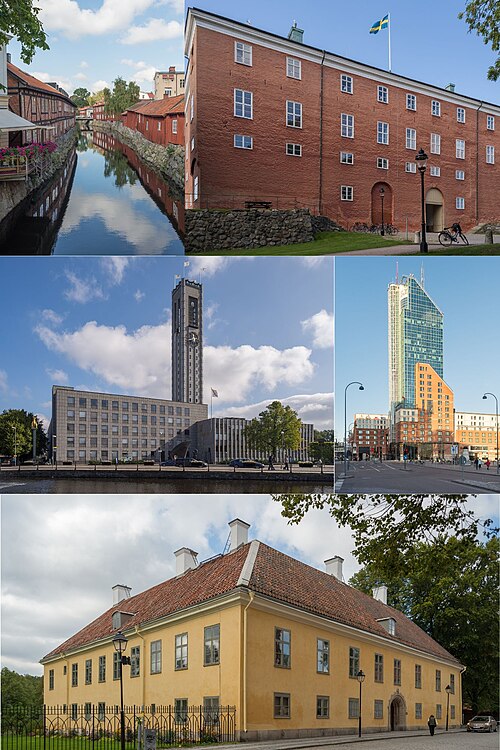
Västerås is a historic city located in central Sweden, situated along the shores of Lake Mälaren, approximately 100 kilometers northwest of Stockholm. With a population of around 150,000 residents, Västerås is one of Sweden's oldest cities, with origins dating back to the 10th century. Initially a significant trading hub, it became an important ecclesiastical center in the medieval period, marked by the construction of Västerås Cathedral in the 13th century. The city's name, which means "West River," reflects its geographical position relative to nearby lakes and rivers. Over the centuries, Västerås has evolved into a modern city, blending rich historical heritage with contemporary urban life.
The economy of Västerås has transformed significantly throughout its history. Once rooted in agriculture and trade, the city became a center for industry during the 19th century, particularly known for its manufacturing and engineering sectors. Major companies, such as the multinational corporation ABB, have established their presence in Västerås, contributing to its robust economic landscape. The city is also home to various educational institutions, including Mälardalen University, which is known for its engineering and technology programs. Cultural offerings in Västerås include a vibrant arts scene, historical museums, and recreational activities around the lake, making it a popular destination for both residents and tourists. The blend of historical sites, modern industry, and educational opportunities continues to shape Västerås as an attractive place to live and work in Sweden.
Facts about Västerås
- Västerås is one of the oldest cities in Sweden, with roots dating back to the 990s when it was established as a trading post.
- The city is home to the Västerås Cathedral (Västerås domkyrka), which is one of the largest cathedrals in Sweden and features stunning medieval architecture.
- Västerås played a significant role in the Swedish Reformation during the 16th century when it was here that King Gustav Vasa was elected king in 1523.
- Västerås is renowned for its connection to the power generation industry, being home to the first hydroelectric power plant built in Sweden in 1886.
- The annual Västerås Summer Festival attracts thousands of visitors with its diverse musical performances, food stalls, and cultural events, distinguishing it from other local celebrations.
- Västerås was once a major center for the Swedish-Baltic trade in the 16th and 17th centuries, showcasing its historical significance in commerce.
- The Djäkneberget, a prominent hill in Västerås, offers scenic views of Mälaren Lake and serves as a recreational area, making it a unique natural attraction in the city.
- Västerås is home to the Västerås Castle (Västerås slott), a Renaissance-style castle that has served various purposes throughout history, including royal residence and military fortress.
- The city boasts a strong innovative spirit and is known as a hub for technology and engineering, with companies like ABB and Rockwell Automation having significant operations there.
- Västerås is located on the shores of Lake Mälaren, which provides extensive opportunities for outdoor activities like sailing, fishing, and hiking, setting it apart from many other Swedish cities.