Växjö, Sweden
- 65,383 people
- 16 places to visit
- 56.879, 14.8059
Places to Visit (16)
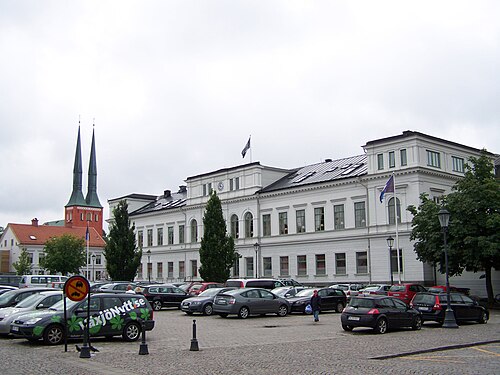
Växjö is a city located in the southern part of Sweden, within the province of Småland. Known for its picturesque landscapes, Växjö lies on the shores of Lake Växjö and is surrounded by numerous lakes and forests, contributing to its reputation as "the City of Lakes." With a population of approximately 70,000 residents, it serves as the administrative center of Växjö Municipality and is one of the fastest-growing cities in Sweden. The city is well-connected to other regions through a network of roads and railways, making it accessible for both residents and visitors.
Historically, Växjö has roots dating back to the Middle Ages, with its origins linked to the establishment of a bishopric in the 14th century. The medieval cathedral, Växjö Domkyrka, is a significant landmark that reflects the city's ecclesiastical heritage. Over the years, Växjö has evolved into a vibrant urban center known for its emphasis on education and innovation. The Linnaeus University, named after the renowned Swedish botanist Carl Linnaeus, plays a crucial role in the city's identity, offering a variety of programs and attracting students from around the world. The city is recognized for its commitment to sustainability, often ranking high on environmental indices, and is also home to various cultural institutions, including art galleries, museums, and theaters, which highlight its rich cultural scene.
In recent years, Växjö has garnered attention for its efforts in environmental sustainability, with initiatives aimed at reducing carbon emissions and promoting renewable energy sources. The city boasts a robust public transportation system and is replete with green spaces, parks, and recreational facilities, making it an appealing destination for outdoor enthusiasts. Events throughout the year, such as the Växjö Cultural Festival and the annual Christmas market, attract both locals and tourists, further enriching the community's social fabric. Overall, Växjö is a city that beautifully balances historical significance, modern development, and environmental consciousness, making it a unique and attractive place to live and visit.
Facts about Växjö
- Växjö is known as the 'Greenest City in Sweden,' emphasizing sustainability and environmental awareness.
- The city is home to the world's first bio-fuel district heating system, which was implemented in the 1990s.
- Växjö has a rich medieval history, including the Växjö Cathedral, which dates back to the 13th century.
- The city is the administrative center of Kronoberg County and has a significant role in regional governance.
- Växjö is known for its vibrant cultural scene, hosting the annual Växjö Festival, which showcases local music, arts, and cuisine.
- The Linnaeus University, established in 2010, is named after the famous botanist Carl Linnaeus, who was born in the nearby village of Råshult.
- Växjö's location by two lakes, Växjösjön and Trummensjön, provides beautiful waterfronts and recreational opportunities.
- The city has been recognized for its pioneering efforts in cycling infrastructure, making it one of the top cities in Sweden for cyclists.
- Växjö's historic wooden houses, particularly in the old town area, reflect traditional Swedish architecture and charm.
- The city is a hub for sports, particularly football and ice hockey, and is home to popular teams such as Växjö Lakers in ice hockey.