Val-d'Or, Canada
- 25,541 people
- 7 places to visit
- 48.0987, -77.7968
Places to Visit (7)
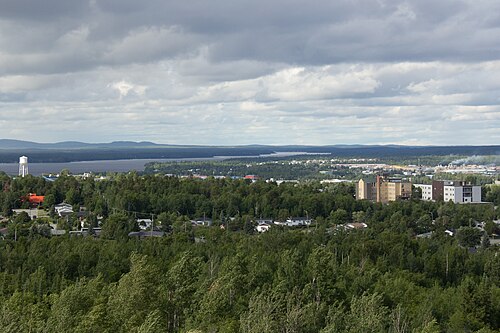
Val-d'Or is a city located in the northwestern part of the province of Quebec, Canada. Established in the early 20th century, the city is part of the Abitibi-Témiscamingue region and sits approximately 550 kilometers northwest of Montreal. The name "Val-d'Or," which translates to "Valley of Gold," reflects the area's rich mining history. The city was founded in 1935 during a gold rush, which attracted a significant influx of prospectors and miners. Val-d'Or quickly grew as a mining hub, and gold production became the backbone of its economy. Over the years, the mining sector diversified to include other minerals such as copper, zinc, and uranium, bolstering the city's economic base.
Val-d'Or is not only known for its mining activities but also for its vibrant cultural scene and outdoor recreational opportunities. The city is home to approximately 31,000 residents and boasts facilities that promote cultural events, such as the annual Val-d'Or International Short Film Festival and various music festivals. The city is equipped with parks, trails, and lakes that draw residents and visitors seeking outdoor activities like hiking, fishing, and skiing, particularly in the nearby Mont-Vidéo ski resort. Additionally, Val-d'Or serves as an important service center for the surrounding communities, providing healthcare, education, and retail. Its location offers access to various natural resources and a rich Indigenous history, with several Indigenous communities in the region contributing to the cultural diversity of the area. Overall, Val-d'Or represents a unique blend of industrial heritage, cultural vibrancy, and natural beauty in Quebec.
Facts about Val-d'Or
- Val-d'Or, which means 'Valley of Gold' in French, was founded during the gold rush in the 1930s, which makes it unique in its historical context compared to many other Canadian cities.
- The city is located in the Abitibi-Témiscamingue region of Quebec, known for its rich mineral resources, particularly gold, making it a significant mining hub.
- Val-d'Or is home to the Canadian International School of Val-d'Or, one of the few institutions in Canada that provides an international baccalaureate program in a primarily French-speaking region.
- Each year, the city hosts the Val-d'Or International Film Festival, showcasing films from various genres and giving a platform to independent filmmakers, setting it apart from many other towns.
- Val-d'Or has a vibrant Indigenous presence, with several nearby First Nations communities, including the Abitibiwinni and the Anishinabe of Lac Simon, highlighting its multicultural aspects.
- The city is known for its unique architecture, particularly the wooden houses built during the initial settlement period, which reflect the history and culture of the region.
- Val-d'Or is a center for outdoor activities, with extensive trails for snowmobiling, ATV riding, and hiking, making it a distinct destination for nature enthusiasts.
- Home to the historic and still operational, Canadian Malartic Mine, one of the largest gold mines in Canada, Val-d'Or plays a critical role in the country's mining industry.
- The Val-d'Or airport provides access to remote areas of northern Quebec, serving as a crucial transportation hub that connects communities often isolated by geography.
- Val-d'Or's community spirit is celebrated through events such as the Festival de la musique de Val-d'Or, which focuses on showcasing local artists and promoting cultural exchange.