Valdepeñas, Spain
- 31,147 people
- 7 places to visit
- 38.7605, -3.3876
Places to Visit (7)
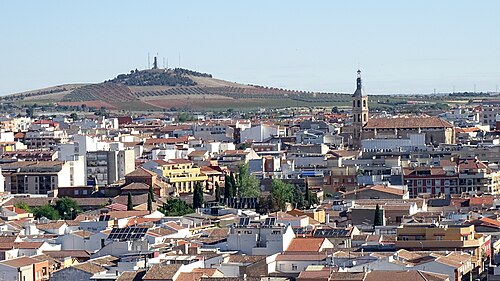
Valdepeñas is a picturesque city located in the province of Ciudad Real, in the autonomous community of Castilla-La Mancha, Spain. Situated approximately 200 kilometers south of Madrid, the city is part of the historic region known for its rich agricultural lands and traditional winemaking. With a population of around 30,000 inhabitants, Valdepeñas serves as an important commercial and cultural hub in the area. The town's historical roots can be traced back to the Roman era, and it has since developed a unique identity marked by its vibrant local traditions and an impressive array of historical architecture.
One of Valdepeñas' most notable features is its wine production, particularly the esteemed Denominación de Origen Valdepeñas, which became officially recognized in 1932. The region's climate and soil contribute to the creation of high-quality wines, with vineyards cultivating grape varieties such as Tempranillo, Verdejo, and Airén. The wine culture in Valdepeñas is celebrated annually during the local festivities, including the Fiestas de la Vendimia, which showcase wine tastings, traditional music, and dance. This deep-rooted winemaking heritage is complemented by the city’s charming character, characterized by its narrow cobblestone streets, beautiful plazas, and white-washed buildings adorned with colorful tiles.
In addition to its winemaking legacy, Valdepeñas is home to several cultural attractions, including museums, churches, and art galleries. The Museo del Vino del Consejo Regulador and the Centro de Interpretación del Vino offer insights into the city’s historical and contemporary winemaking practices. The 18th-century Church of Our Lady of Help (Iglesia de Nuestra Señora de la Auxiliadora) stands out for its baroque architecture and serene interior. Visitors to Valdepeñas can also enjoy the local gastronomy, with dishes inspired by Manchego culinary traditions that often pair beautifully with the region's wines. Overall, Valdepeñas is a city that seamlessly blends its historical significance with a vibrant contemporary culture, making it a compelling destination for both tourists and wine enthusiasts alike.
Facts about Valdepeñas
- Valdepeñas is renowned for its extensive wine production, particularly known for its high-quality red wines made from the Tempranillo grape.
- The town has a significant historical heritage, indicated by its well-preserved medieval architecture, including the Church of Nuestra Señora de la Asunción, dating back to the 16th century.
- Valdepeñas hosts the annual Fiesta de la Vendimia (Harvest Festival), which celebrates the wine harvest with parades, music, and traditional food, attracting visitors from across Spain.
- The city is characterized by its unique 'bodegas' (wineries), many of which offer tours and tastings, showcasing the local vintages and wine-making traditions.
- Valdepeñas was awarded the title of 'City of Wine' in recognition of its significant contributions to wine culture and production in Spain.
- The town is home to the International Festival of Flamenco, highlighting the importance of this musical genre in the region's cultural identity.
- Valdepeñas also has a rich ceramics tradition, being known for its artisanal pottery, which dates back to the 18th century.
- In addition to wine, the city has a growing reputation for its production of olive oil, which has become an important agricultural product in the area.
- The historical significance of Valdepeñas is further illustrated by the nearby archaeological site of 'El Cerro de las Cabezas,' which includes remnants of ancient Roman civilization.
- Valdepeñas is located on the Route of Don Quixote, adding a literary charm to the city, as it attracts tourists interested in the adventures of Cervantes' famous character.