Valencia, Spain
- 792,492 people
- 17 places to visit
- 39.4699, -0.3763
Places to Visit (17)
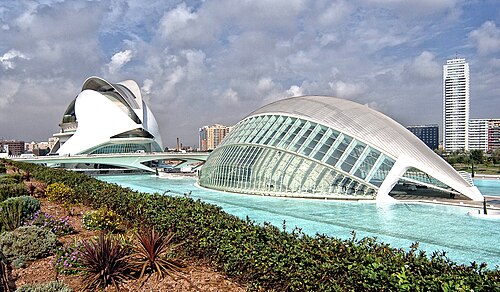
Valencia, located on the eastern coast of Spain along the Mediterranean Sea, is the capital of the province of the same name and the third-largest city in the country, following Madrid and Barcelona. Founded by the Romans in 138 BC, Valencia boasts a rich history that is reflected in its diverse architecture, from medieval structures like the Valencia Cathedral, which houses what is claimed to be the Holy Grail, to modern buildings like the City of Arts and Sciences designed by Santiago Calatrava. The city is renowned for its vibrant culture, evident in its dynamic festivals such as Las Fallas, celebrated in March with large, intricate sculptures that are eventually burned in a spectacular finale, showcasing the community's creativity and social spirit.
The city has a Mediterranean climate characterized by hot summers and mild winters, making it an attractive destination for tourists year-round. Valencia’s economy is supported by agriculture, maritime trade, and tourism, with agricultural products notably including rice, which plays a vital role in the region’s traditional dish—paella. Additionally, Valencia is known for its beautiful beaches, such as Malvarrosa and Las Arenas, which draw both locals and tourists looking to enjoy the sun and sea. The city's culinary scene is vibrant, with numerous restaurants offering a range of traditional dishes and modern gastronomy. Valencia also hosts several universities, contributing to its youthful and dynamic atmosphere. With a blend of historical heritage, cultural celebrations, and modern advancements, Valencia continues to be a prominent cultural hub in Spain, attracting visitors seeking both history and contemporary experiences.
Facts about Valencia
- Valencia is home to the largest Gothic structure in Europe, the Valencia Cathedral, which claims to house the Holy Grail.
- The Fallas festival, celebrated in March, features artistic floats made of papier-mâché, which are set on fire in a spectacular display, unique to Valencia.
- Valencia introduced the world to paella, a traditional Spanish dish that originated in this region, typically made with rice, saffron, chicken, and rabbit.
- The City of Arts and Sciences, an architectural complex in Valencia, is known for its futuristic structures designed by Santiago Calatrava and Félix Candela.
- Valencia has the third-largest airport in Spain, serving as a gateway to various international destinations and reflecting the city's role as an economic hub.
- Valencia's Central Market is one of the largest markets in Europe, known for its stunning Modernista architecture and fresh local produce.
- The Turia Gardens, which were once a riverbed, have been transformed into a vast green space that runs through the city, distinguishing Valencia from many other urban areas in Spain.
- Valencia features a mixed cultural heritage, blending Roman, Islamic, and Christian influences evident in its architecture and local customs.
- The region of Valencia is famous for its Mediterranean climate, which allows for abundant agricultural production, particularly oranges, giving it the nickname 'The Orchard of Spain'.
- Valencia is recognized as a UNESCO Creative City of Gastronomy, highlighting its culinary arts and fostering a strong local food culture.