Valkenswaard, Netherlands
- 31,071 people
- 14 places to visit
- 51.3555, 5.4533
Places to Visit (14)
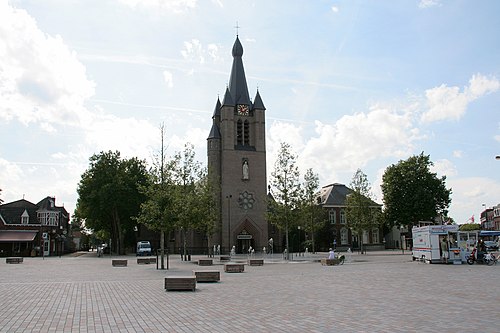
Valkenswaard is a picturesque municipality and town located in the southern Netherlands, within the province of North Brabant. Situated approximately 15 kilometers southeast of Eindhoven, it enjoys a strategic position that offers both tranquility and accessibility to urban amenities. The town has a rich history that dates back to the Middle Ages, as evidenced by various historic buildings and structures. Its name is believed to derive from the old Dutch word for "falcon." Initially a farming community, Valkenswaard evolved over the centuries, particularly during the 19th century with the advent of the industrial era that brought new economic opportunities and resident diversification.
The natural beauty surrounding Valkenswaard plays a significant role in its appeal, with a variety of landscapes including woodlands, heathlands, and the adjacent Dommeldal river valley. The area's outdoor recreational options are abundant, attracting residents and visitors alike to engage in activities such as hiking, cycling, and bird-watching. Valkenswaard is particularly famous for its extensive network of cycling paths that connect to the broader Brabant countryside. Furthermore, the town has a vibrant cultural scene, highlighted by annual events and festivals that celebrate local traditions, arts, and crafts. Notable landmarks include the St. Nicholas Church, dating back to the 15th century, and various remnants of historical architecture that illustrate the town's heritage.
Valkenswaard's economy has diversified over the years, with a mixture of agriculture, commerce, and light industry contributing to its growth. The town has embraced modern development while maintaining its historical charm, making it an attractive place for both residents and businesses. Educational institutions, healthcare services, and shopping options ensure that the municipality caters to the needs of its community. The local government is active in promoting sustainable development and enhancing the quality of life for its citizens, making Valkenswaard a well-rounded destination that balances modern living with historical significance and natural beauty.
Facts about Valkenswaard
- Valkenswaard is known for its unique location in the Kempen region, characterized by sandy soils and heathlands, which is different from many other parts of the Netherlands that are more low-lying and wet.
- The town was historically significant as a center for the production of eagle feathers, leading to its name 'Valkenswaard,' which translates to 'Falcon's Moor.' This tradition is less common in other Dutch towns.
- Valkenswaard hosts a distinctive annual event called the 'Valkenswaardse Meimaand,' which is a month-long celebration of local arts, culture, and heritage, showcasing talents through various workshops and exhibitions.
- The area is rich in World War II history, with several memorials and remnants related to the liberation of the Netherlands, distinguishing it as a site of historical importance compared to many other Dutch towns.
- Valkenswaard is home to the 'Valkenswaardse Molen,' a functioning windmill that represents the traditional Dutch windmills but also serves as a community focal point that promotes local heritage.
- The city features a unique natural setting, including the nearby 'Loonse en Drunense Duinen' national park, offering exceptional opportunities for outdoor activities such as hiking and cycling, which is a draw for nature enthusiasts.
- Valkenswaard has a strong equestrian culture and is known for hosting various international horse shows and events, making it a hub for horse lovers and riders, setting it apart from many other Dutch municipalities.
- The local gastronomy includes specialties like 'Valkenswaardse Bockbier,' a local type of beer brewed to commemorate the region's brewing traditions, which reflects the city's unique culinary identity.
- Valkenswaard’s architecture features a blend of historic buildings and modern developments, with landmarks such as the St. Nicholas Church showcasing a mix of Gothic and Baroque styles, making it visually distinct.
- The city actively promotes sustainability initiatives, including green public spaces and eco-friendly urban development, distinguishing its forward-thinking approach from some other regions in the country.