Valladolid, Mexico
- 48,973 people
- 13 places to visit
- 20.6896, -88.2022
Places to Visit (13)
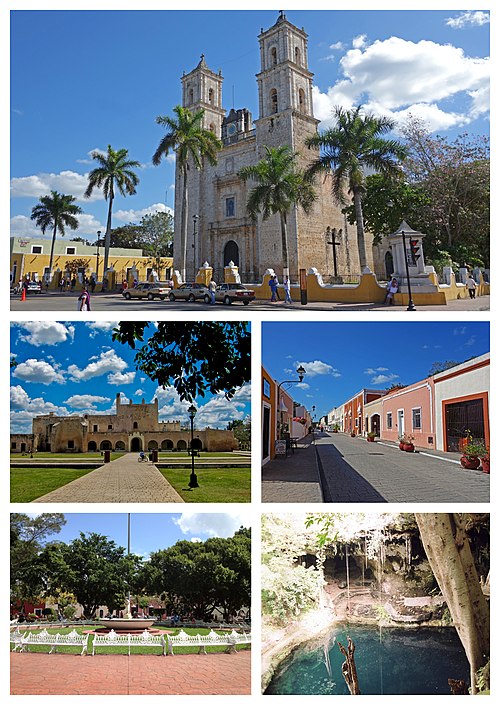
Valladolid is a picturesque city located in the eastern part of the Yucatán Peninsula, Mexico. Founded in 1543 by Spanish conquistador Francisco de Montejo, this colonial city was initially named “Valladolid” after the Spanish city of the same name. Today, it serves as one of the most significant towns in the state of Yucatán, known for its rich history, vibrant culture, and strategic location near notable archaeological sites. Its population is approximately 50,000 residents, mostly of Mayan and mestizo descent. The city is characterized by beautiful colonial architecture, highlighted by its colorful buildings, well-preserved churches, and lively plazas, drawing both domestic and international tourists.
Valladolid is a gateway to several important Mayan ruins, including Chichén Itzá and Ek' Balam, making it a popular stop for travelers exploring the region's ancient history. The city's central square, Plaza Principal Francisco Cantón Rosado, is a lively hub surrounded by local markets, restaurants, and the iconic San Bernardino de Siena Convent, a 16th-century structure that showcases the religious heritage of the area. Additionally, Valladolid is known for its natural beauty, featuring cenotes—natural sinkholes filled with water—such as Cenote Zaci, which offer opportunities for swimming and relaxation. The local gastronomy is also notable, with traditional dishes like cochinita pibil and sopa de lima that reflect the region's Mayan influences. As a cultural and historical center, Valladolid endures as a charming representation of Yucatán's rich past and continues to thrive as a vibrant community today.
Facts about Valladolid
- Valladolid is known as the 'Sultana de Oriente' due to its historical importance in the eastern region of Yucatan.
- The city played a significant role in the Caste War of Yucatán, serving as a center for revolutionary activities during the late 19th century.
- Valladolid is home to the Convento de San Bernardino de Siena, a stunning 16th-century Franciscan monastery known for its beautiful architecture and historical significance.
- The city's central square, Plaza Principal Francisco Cantón Rosado, features a unique blend of colonial and local architecture, making it a vibrant cultural hub.
- Valladolid is known for its cenotes, including the famous Cenote Zaci, which is located right within the city limits and offers swimming and diving opportunities.
- The city hosts the annual Feria de Valladolid, a festival that showcases local culture, cuisine, and traditions while attracting visitors from across the region.
- Valladolid has a strong Mayan influence and is one of the best places to experience authentic Yucatecan cuisine, such as cochinita pibil and poc chuc.
- The city has numerous colorful colonial buildings, with significant examples including the San Servacio Cathedral, which was built using stones from nearby cenotes.
- Valladolid is strategically located between two major tourist destinations, Chichén Itzá and Tulum, making it a popular base for exploring the Yucatán Peninsula.
- The city is recognized for its eco-tourism initiatives, promoting sustainable practices and protective measures for the surrounding natural environment.