Valle de Santiago, Mexico
- 68,058 people
- 9 places to visit
- 20.3922, -101.1901
Places to Visit (9)
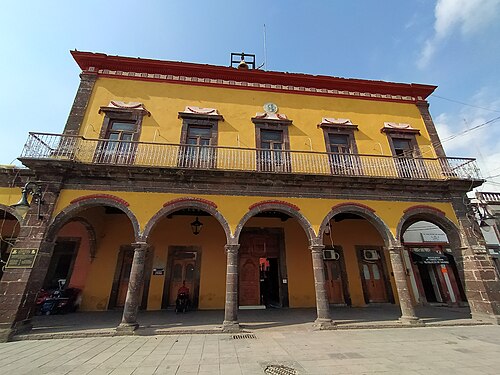
Valle de Santiago is a city located in the state of Guanajuato, Mexico, characterized by its rich history, distinctive cultural heritage, and stunning natural landscapes. Situated approximately 120 kilometers southwest of Mexico City, Valle de Santiago serves as the municipal seat of the Valle de Santiago municipality. The area is noted for its volcanic topography, which includes a variety of craters and lagoons formed by past eruptions. This unique geological feature makes the region a scientific interest as well as a natural attraction, drawing visitors to explore its diverse ecosystems and scenic views.
The city's history can be traced back to pre-Columbian times, with significant settlements established by the Purépecha people, who thrived in the region prior to Spanish colonization. Founded in 1540 by the Spanish, Valle de Santiago has since developed a rich cultural tapestry, influenced by both indigenous and colonial legacies. The settlement's architecture reflects this historical blend, showcased in its colonial-era churches and plazas. Among its most notable landmarks is the Parroquia de San Francisco, famous for its baroque façade and vibrant religious festivities that occur throughout the year. Valle de Santiago is also recognized for its textile and agricultural production, with local crafts and traditional cuisine significantly contributing to the area's economy and cultural identity.
In recent years, Valle de Santiago has gained attention for its eco-tourism potential and sustainable initiatives aimed at preserving its natural beauty while fostering economic development. The city celebrates a variety of annual festivals that highlight both religious traditions and local culture, creating a vibrant atmosphere for residents and visitors alike. With a population of around 35,000 people, the community is characterized by its strong sense of identity and pride in its heritage, making Valle de Santiago a notable destination for those seeking to experience authentic Mexican culture amidst a backdrop of stunning landscapes.
Facts about Valle de Santiago
- Valle de Santiago is known for its unique volcanic landscape, including the famous 'Laguna de la Virgen', a crater lake that is part of the volcanic belt in central Mexico.
- The city is recognized for its rich history of traditional pottery and craftsmanship, particularly the 'Barro de Valle de Santiago', a type of red clay pottery that is distinctive to the region.
- Every November, Valle de Santiago hosts the 'Fiesta de la Virgen de la Luz', a festival that celebrates its patron saint with lively parades, dances, and traditional music, attracting visitors from across Mexico.
- Valle de Santiago has a significant historical background, dating back to pre-Columbian times, with archaeological sites that showcase the presence of the Purépecha civilization.
- The city is also known for the 'Cerro de la Cruz', a prominent hill that features a large cross at its summit, which offers stunning views of the surrounding landscape and is a popular hiking destination.
- It is home to the 'Cueva de la Virgen', a cave that holds historical and cultural significance to the local community, believed to be a site of pilgrimage.
- Valle de Santiago is famous for its annual 'Festival Internacional del Globo', one of the major hot air balloon festivals in Mexico, showcasing colorful balloons from around the world.
- The region is unique for its production of regional delicacies like 'Tacos de Cazuela' and 'Sopes de Maíz', which highlight local ingredients and traditional cooking methods.
- Valle de Santiago is part of the state of Guanajuato, known for its Mexican heritage, and was a significant location during the Mexican War of Independence.
- The area around Valle de Santiago features unique geological formations known as 'tuzas', which are natural depressions caused by volcanic activity and can be found in various parts of the municipality.