Valongo, Portugal
- 21,328 people
- 10 places to visit
- 41.1978, -8.4952
Places to Visit (10)
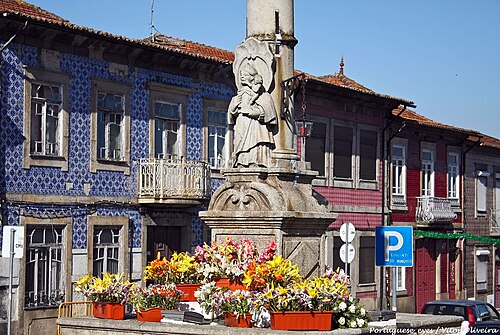
Valongo is a municipality and city located in the northern region of Portugal, specifically within the Porto District. It lies approximately 10 kilometers east of the city of Porto, making it part of the metropolitan area of one of Portugal's most vibrant urban centers. Valongo is bordered by other municipalities, including Paredes, Gondomar, and Maia, and has a population of around 40,000 residents. The city's area encompasses several parishes, each with its own unique characteristics and historical significance, contributing to Valongo's rich cultural tapestry. The region is characterized by rolling hills, and its landscape is dotted with lush green spaces that enhance its natural beauty.
Historically, Valongo has roots dating back to Roman times, with archaeological findings indicating human settlements in the area. During the Middle Ages, the municipality grew in importance, particularly due to its strategic location along trade routes. The name "Valongo" is believed to derive from the Latin term "vallum," referring to a rampart or wall, underscoring the area's historical military significance. The city's industrial evolution occurred primarily during the 19th century, leading to the establishment of numerous textile and manufacturing industries, which transformed its economic landscape. Today, Valongo is known for its blend of traditional and contemporary influences, showcasing a variety of architectural styles, including historic churches and modern residential developments.
Valongo offers numerous cultural and recreational opportunities for residents and visitors alike. The city is home to several parks and green areas, promoting outdoor activities such as hiking and cycling, particularly in the surrounding hills. The local economy is diverse, with services, commerce, and industry playing vital roles in sustaining growth. Valongo also hosts various events throughout the year, celebrating local traditions and fostering community engagement. The municipality's proximity to Porto allows easy access to urban amenities while maintaining a distinct local identity, making Valongo a unique blend of tranquility and urban vibrancy. The city's commitment to preserving its heritage while adapting to modern needs is evident in its ongoing development initiatives, which aim to enhance the quality of life for its residents.
Facts about Valongo
- Valongo is known for its rich mineral resources, particularly basalt and granite, which have played a significant role in its industrial development.
- The city is home to the largest archaeological site in the region, known as the Roman Mines of Castromil, which highlight the area's ancient mining heritage.
- Valongo hosts the annual Festa de São Pedro, a local festival that features traditional music, dance, and cuisine, attracting visitors from across the region.
- The Valongo Municipal Museum offers unique insights into the area's history, showcasing artifacts related to its mining past and local culture.
- Valongo's scenic landscapes are characterized by the hills of Serra de Santa Justa, which provide opportunities for hiking and outdoor activities.
- The region is renowned for its production of wines, particularly those made from the native grape varieties, which contribute to the local economy and culture.
- Valongo is strategically located near Porto, making it a popular residential area for those who work in the larger city while seeking a quieter environment.
- The city has several historical churches, including the Church of Nossa Senhora da Assunção, which dates back to the 18th century and showcases Baroque architecture.
- Valongo boasts a strong community spirit, with numerous local organizations dedicated to promoting cultural activities and community engagement.
- The Valongo Greenway is a notable cycling and walking route that connects several municipalities, promoting sustainable transport and outdoor recreation.