Vanderbijlpark, South Africa
- 246,754 people
- 12 places to visit
- -26.7091, 27.8155
Places to Visit (12)
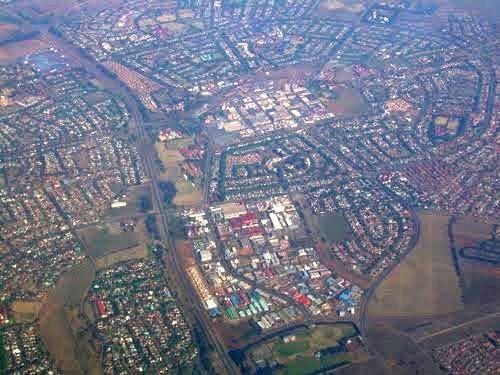
Vanderbijlpark is a city located in the Gauteng province of South Africa, approximately 70 kilometers south of Johannesburg. It lies along the Vaal River and forms part of the larger Emfuleni Local Municipality. Established in the 1940s as a planned industrial city, Vanderbijlpark was named after railway engineer Cornelius Vander Bijl, who played a significant role in its development. The city was initially created to support the burgeoning iron and steel industry, particularly to house the employees of the nearby Vanderbijlpark Steel, which is now part of the international steel manufacturer ArcelorMittal. Vanderbijlpark is known for its well-structured urban environment, featuring a mix of residential, commercial, and industrial areas.
The city has since evolved from its industrial roots and is now appreciated for its amenities and recreational opportunities. Vanderbijlpark boasts several parks, nature reserves, and sporting facilities that contribute to the quality of life of its residents. The municipality places a strong emphasis on community events and cultural activities, enhancing social cohesion among its diverse population. The Vaal River is a central feature of the city, offering various water sports and recreational activities, including fishing, boating, and picnicking along its banks. The presence of educational institutions, shopping centers, and medical facilities further enriches the living experience in Vanderbijlpark, making it an attractive destination for families and professionals alike.
Furthermore, Vanderbijlpark has undergone significant urban and economic development in recent years, aiming to improve infrastructure and enhance public services. Despite facing challenges such as unemployment and crime, the city continues to strive for progress and better living standards for its inhabitants. Local government initiatives, coupled with community involvement, seek to address these issues, fostering a sense of pride and ownership among residents. The city's strategic location near major transportation routes and economic hubs positions it as an integral part of the Gauteng metropolitan complex, contributing to South Africa's overall economic landscape while preserving its unique historical and cultural identity.
Facts about Vanderbijlpark
- Vanderbijlpark was established as a planned industrial town in 1943, primarily to support the iron and steel industry in South Africa, particularly the nearby Vereeniging.
- The city is known for its large and extensive industrial area, being home to the largest steelworks in South Africa, which significantly contributes to the economy of the region.
- Vanderbijlpark derives its name from the Vanderbijl Park that was named after the founder of the Iron and Steel Corporation, Dr. Hendrik van der Bijl.
- The city was designed with a modern urban planning approach, featuring wide streets, green parks, and a sports complex, making it unique compared to many other South African towns.
- Vanderbijlpark is located along the Vaal River, which offers various water-based recreational activities such as fishing, boating, and riverside picnics, attracting tourists and locals alike.
- The city hosts the annual Vaal River Festival, celebrating local culture, arts, and outdoor activities, which distinguishes it as a hub for community festivities.
- Vanderbijlpark is part of the Sedibeng District Municipality, which promotes regional development and planning, setting it apart from many independent townships.
- The city is home to several educational institutions, including the Vaal University of Technology, contributing to its role as a center for education and technological development.
- Vanderbijlpark has a significant presence of cultural and historical landmarks, such as the famous Emerald Casino Resort, offering family entertainment and events in the area.
- The local economy is also diversified beyond steel, including sectors such as retail, hospitality, and agriculture, providing a balanced economic structure distinct from purely industrial towns.