Várpalota, Hungary
- 21,299 people
- 15 places to visit
- 47.2006, 18.1614
Places to Visit (15)
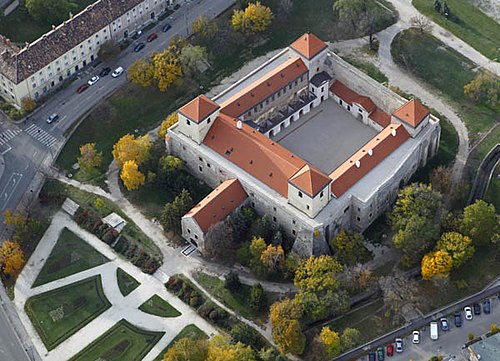
Várpalota is a picturesque town located in Hungary's Veszprém County, nestled in the western part of the country. The town is situated near the Bakony Mountains and lies approximately 25 kilometers northeast of the city of Veszprém, making it a scenic spot with access to natural landscapes and outdoor activities. With a history that dates back to the medieval period, Várpalota has become a center for historical and cultural exploration, characterized by its charming architecture and significant landmarks. The town's historical roots can be traced back to the 13th century when it developed as a strategic site due to its position along trade routes. The name "Várpalota" translates to "Castle Palace," a nod to the imposing castle that once held sway over the area.
Várpalota is renowned for its historical and cultural heritage, which is particularly highlighted by structures such as the Castle of Várpalota and various churches, including the Reformed Church and the Catholic Church of St. Stephen. These sites reflect a mosaic of architectural styles that have evolved over centuries. Additionally, the town is known for its local museums, which curate artifacts from different periods and offer insights into the region’s rich history. The economy of Várpalota has traditionally been rooted in industry, with various manufacturing entities operating in the area, although there has been an increasing focus on tourism, especially attracting visitors interested in cultural experiences and nature activities.
In recent years, Várpalota has been benefiting from development initiatives aimed at improving infrastructure and enhancing the quality of life for its residents. As a town with both a rich past and a promising future, Várpalota combines historical charm with modern amenities, appealing to both locals and visitors. The surrounding countryside offers ample opportunities for hiking, cycling, and exploring Hungary's natural beauty, making Várpalota a hidden gem in the country’s vast landscape. As the town continues to grow, it maintains deep connections to its historical roots while adapting to contemporary needs, ensuring that its legacy endures for future generations.
Facts about Várpalota
- Várpalota is home to the famous Várpalota Castle, which dates back to the 13th century and is a significant historical landmark in Hungary.
- The city was an important military hub during the Ottoman and Habsburg eras, which is reflected in its varied architectural styles.
- Várpalota was developed significantly in the 20th century due to the establishment of various industries, particularly in metallurgy and engineering.
- The city is known for the local tradition of hosting the Várpalota Wine Festival, celebrating the region's wine production and local vineyards.
- Várpalota has a unique geographical feature, situated at the confluence of the Pannon and Mátra mountain ranges, enhancing its natural beauty.
- The city features the largest public library in the region, which offers extensive resources and cultural programs for residents.
- Várpalota is distinct for its community-driven initiatives, including numerous festivals celebrating local arts and crafts.
- The area around Várpalota is recognized for its rich archaeological finds, providing insights into the region's ancient history.
- Várpalota is one of the few cities in Hungary that has retained its medieval grid layout, giving it a unique charm.
- The city's strategic location makes it a historical crossroads for trade routes and military passes, shaping its development over the centuries.